
Culinary Tourism: How Women Chefs Are Shaping Unique Travel Experiences Through Food
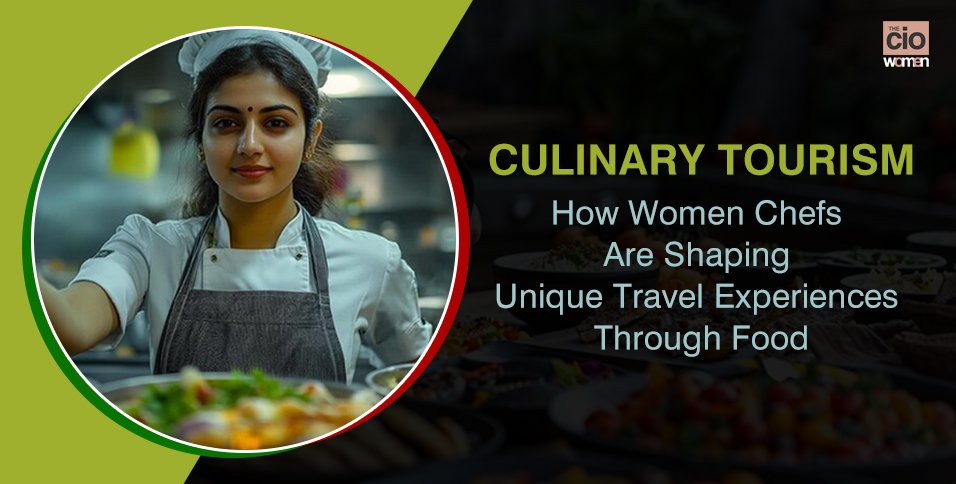
In recent years, culinary tourism has emerged as one of the most exciting trends in travel, where food takes center stage in shaping memorable experiences. This movement isn’t just about eating; it’s about exploring culture, history, and community through the lens of cuisine. Women chefs and restaurateurs are at the forefront of this transformation, creating unique travel experiences that highlight the artistry of food while empowering local communities and promoting sustainable practices. A Flavorful Journey Culinary tourism offers travelers the chance to immerse themselves in local flavors, learn cooking techniques, and understand the cultural significance behind traditional dishes. Women chefs are uniquely positioned to lead this charge, often bringing personal stories and local insights into their culinary offerings. Whether it’s a cooking class in Tuscany led by a matriarch of a family-run trattoria or a street food tour in Bangkok with a female vendor, these experiences allow tourists to connect deeply with the culture. Female chefs like Maya Angelou in Mexico and Anita Lo in New York are redefining the culinary landscape, infusing their heritage into their cooking while sharing their expertise with eager travelers. Their commitment to authenticity and storytelling enriches the culinary journey, making it not just a meal but an experience steeped in cultural significance. Empowering Communities One of the most impactful aspects of women-led culinary tourism is the empowerment of local communities. Many female chefs source ingredients directly from local farmers and artisans, promoting sustainability and supporting the local economy. By showcasing regional produce and traditional cooking methods, they help preserve culinary heritage while fostering pride within the community. For example, women-run initiatives like The Spice Route in India offer immersive culinary experiences that not only teach tourists about Indian spices but also involve local women in the preparation and teaching process. This collaboration helps build economic independence and ensures that traditional knowledge is passed down through generations. Innovative Experiences Women entrepreneurs in the culinary tourism sector are also known for their creativity and innovation. From hosting pop-up dinners in unusual locations to organizing food festivals that celebrate local cuisines, they are constantly finding new ways to engage travelers. Experiences such as farm-to-table dining events, food and wine pairing classes, or cultural food festivals provide tourists with unforgettable memories while connecting them to the heart of the community. Additionally, women chefs are increasingly leveraging technology to reach a broader audience. Virtual cooking classes and online food tours have gained popularity, especially during the pandemic, allowing travelers to explore new cuisines from the comfort of their homes while still connecting with female chefs around the world. Conclusion Culinary tourism, driven by the passion and creativity of women chefs, is reshaping how we experience travel. These culinary leaders are not just providing meals; they are crafting immersive experiences that celebrate culture, support local communities, and promote sustainability. As travelers increasingly seek authentic experiences, the role of women in culinary tourism will undoubtedly continue to grow, inviting everyone to explore the world through its diverse and delicious flavors. Through their culinary artistry, these women are not just shaping unique travel experiences—they are creating a global community united by a love of food. Read More: Rise of Women-Owned Micro-Manufacturing Businesses: How Small-Scale Production is Disrupting the Industry
Rise of Women-Run Boutique Hotels: Crafting Unique Experiences in Hospitality
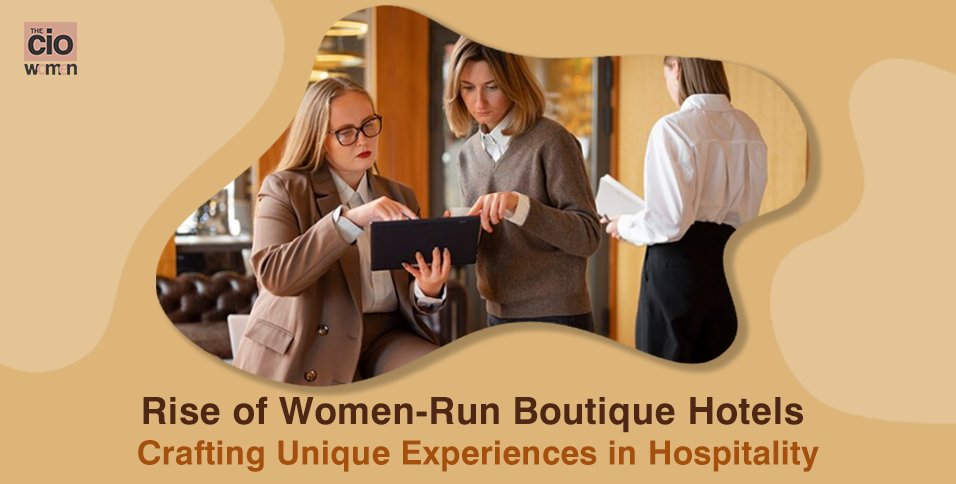
In recent years, the hospitality industry has witnessed a remarkable transformation, with women entrepreneurs stepping into leadership roles and establishing boutique hotels that stand out for their creativity, personalized service, and community engagement. As the industry evolves, women are not only breaking the glass ceiling but also redefining what hospitality means in the modern age. The Boutique Hotel Movement Boutique hotels offer a unique alternative to traditional accommodations, focusing on individuality and authentic experiences rather than mass-market appeal. They often embody the personality of their owners, reflecting their values and aesthetics. Women entrepreneurs are particularly adept at creating spaces that resonate with guests on a personal level, fostering an environment of warmth and comfort. For example, consider the story of women like Liz Lambert, who transformed a rundown Texas motel into the iconic Hotel San Jose. Lambert’s vision was rooted in the belief that hotels should feel like home, a sentiment that resonates deeply with many travelers today. Her emphasis on local art, curated experiences, and sustainable practices has made Hotel San Jose a beloved destination, proving that personal touches can set a business apart. Community Engagement Women-led boutique hotels often prioritize community involvement, creating partnerships with local artists, farmers, and businesses. This focus not only enhances the guest experience but also fosters economic growth in the surrounding area. Many women entrepreneurs believe that a hotel should serve as a bridge between visitors and the local culture. Take the example of The Whitby Hotel in London, run by the talented and visionary owner, Kit Kemp. Kemp emphasizes local art and design while supporting nearby artisans, turning her hotel into a canvas that showcases the city’s creative spirit. This approach not only enriches the hotel’s ambiance but also strengthens ties with the community, encouraging guests to explore and appreciate the area. Overcoming Challenges Despite their success, women in the hospitality sector still face unique challenges, including access to funding and industry networks. However, many women are finding innovative ways to overcome these obstacles. They are forming alliances, sharing resources, and mentoring one another to create a supportive ecosystem for aspiring entrepreneurs. Organizations like the Boutique & Lifestyle Lodging Association (BLLA) are helping to amplify women’s voices in the industry, providing platforms for networking, education, and collaboration. By uniting under a common goal, women are not only elevating their own businesses but also paving the way for future generations of female leaders in hospitality. Conclusion The rise of women-run boutique hotels is not just a trend; it represents a significant shift in the hospitality landscape. These pioneers are crafting unique experiences that prioritize authenticity, community, and personal connection, fundamentally changing how we think about travel and accommodation. As the industry continues to evolve, the contributions of women entrepreneurs will undoubtedly play a crucial role in shaping its future, inspiring others to follow in their footsteps and create spaces that celebrate individuality and local culture. Also Read: Elevating Guest Experience: How Women Are Redefining Luxury and Personalization in Hospitality
How Women Entrepreneurs Are Making Travel Safer and More Convenient for Women
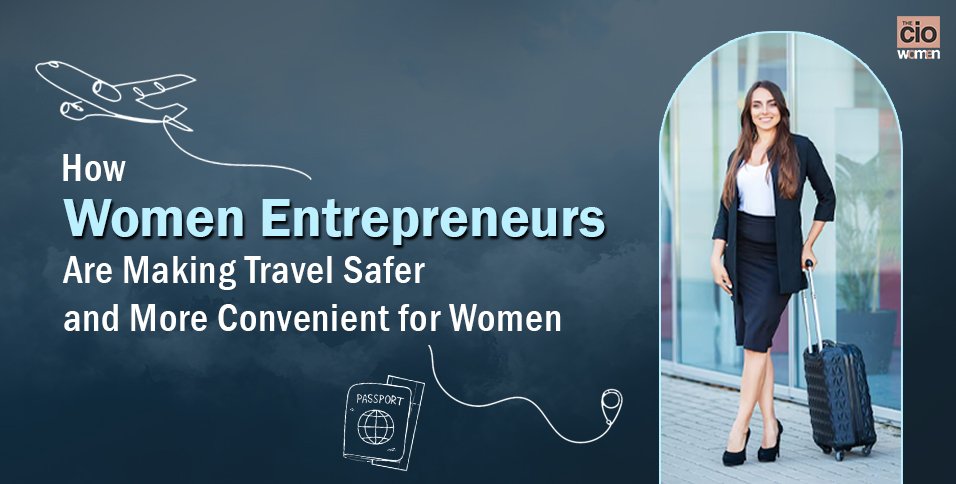
In recent years, women entrepreneurs have been reshaping the travel and hospitality industry by addressing safety and convenience from a female perspective. As more women travel independently for business and leisure, these innovators have stepped up to create solutions that prioritize their unique needs and concerns. By focusing on safety, comfort, and tailored services, these entrepreneurs are not only enhancing the travel experience but also setting new industry standards. Creating Safe Accommodations One prominent example is the rise of women-only accommodations. Female entrepreneurs like Nia B. of the travel platform “Women’s Only Stay” have created secure spaces specifically for women. These accommodations often include enhanced security features such as female-only floors, secure access systems, and staff trained in gender sensitivity. The “SheSafe” hotel chain, founded by entrepreneur Jessica Martin, is another notable example. SheSafe hotels provide comprehensive safety protocols, including 24/7 security personnel and female-only lounges, ensuring a secure environment for women traveling alone. Innovative Travel Services The need for specialized travel services has also been recognized. Platforms like “Solo Sister” and “Glimpse” offer female-focused travel planning and support. Solo Sister, founded by Sarah Wong, provides curated travel packages with women-only groups and female guides. This service not only ensures safety but also offers companionship and a shared experience for women traveling alone. Glimpse, started by Emma Kelly, offers real-time safety alerts and community reviews from other women travelers, empowering users with up-to-date information about their destinations. Tailored Amenities and Experiences Women entrepreneurs are also revolutionizing travel experiences by offering tailored amenities. The “HerHostel” network, established by Maria Gomez, caters to female travelers with women-centric design features, such as well-lit vanity areas and complimentary hygiene products. Additionally, “LuxWomen” spas and wellness retreats, founded by Priya Patel, offer services designed for female guests, including yoga classes, meditation sessions, and holistic treatments that address women’s health and well-being. Empowering Female Entrepreneurs The impact of these female-led initiatives extends beyond improving travel experiences. They are also setting new industry standards and inspiring other women to innovate. By focusing on women’s needs, these entrepreneurs are challenging traditional hospitality norms and demonstrating the value of inclusivity and gender sensitivity. Their success is paving the way for more women to enter and excel in the travel and hospitality sectors. Future Directions As the travel industry continues to evolve, the contributions of women entrepreneurs will play a crucial role in shaping a more inclusive and supportive environment. Their efforts not only address the specific needs of female travelers but also promote a broader cultural shift towards greater safety and comfort in travel. In conclusion, women entrepreneurs are leading the way in making travel safer and more convenient for women. Through innovative accommodations, specialized services, and tailored amenities, they are creating a more secure and enjoyable travel experience, proving that thoughtful solutions can make a significant difference in how women experience the world. Also Read: From Side Hustle to Wealth: How Women Entrepreneurs Are Transforming Their Finances with Alternative Income Streams
Elevating Guest Experience: How Women Are Redefining Luxury and Personalization in Hospitality
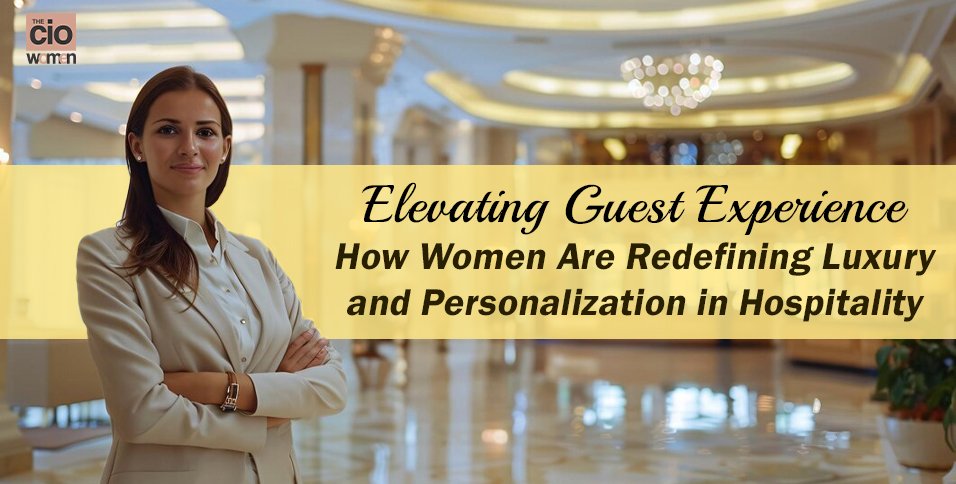
The hospitality industry has always been synonymous with service, comfort, and unforgettable experiences. Yet, the definition of luxury is evolving, and women in leadership roles are at the forefront of this transformation. From boutique hotels to grand resorts, female leaders are pioneering innovative approaches that prioritize personalized guest experiences, reimagine luxury, and implement sustainable practices. This shift not only enhances how guests perceive their stay but also reshapes the future of hospitality. The Emergence of Women Leaders Historically, leadership positions within hospitality have been predominantly occupied by men. Today, however, a growing number of women are ascending to these roles, bringing with them innovative approaches and a fresh perspective on guest service. Figures such as Christine Duffy, President of Carnival Cruise Line, and Amanda Hyndman, Regional Vice President of Operations at Mandarin Oriental, exemplify this shift. They demonstrate that leadership in hospitality involves more than just managing resources; it requires creating meaningful, personalized experiences for guests. Personalization Redefined Personalization has become a cornerstone of modern luxury, thanks to women-led establishments that prioritize tailored guest experiences. This shift away from generic luxury to bespoke services reflects a deeper understanding of individual preferences. Female leaders in hospitality are redefining luxury by offering experiences that cater specifically to guest interests, from custom in-room amenities to unique local activities. This approach not only enhances the overall guest experience but also sets a new benchmark for what luxury should encompass. The Power of Empathy Empathy has emerged as a crucial element in delivering exceptional service, and women leaders excel in this area. By fostering a culture of emotional intelligence, they ensure that guests feel genuinely valued and cared for. This empathetic approach leads to higher satisfaction rates and a more memorable stay. Women-led properties often distinguish themselves with personal touches, such as remembering a guest’s preferences or arranging special surprises, which create lasting impressions and enhance guest loyalty. Commitment to Sustainability Sustainability has become a prominent focus in the hospitality industry, with women leaders spearheading efforts to integrate eco-friendly practices. These leaders are implementing measures to reduce environmental impact, such as minimizing plastic use and supporting local produce. Their commitment to sustainability not only appeals to eco-conscious travelers but also aligns with broader trends toward corporate social responsibility. By blending luxury with environmental stewardship, women in hospitality are setting new standards for both ethical and enjoyable travel experiences. Paving the Way Forward The contributions of women in hospitality are reshaping the industry’s future. Their emphasis on personalization, empathy, and sustainability is redefining luxury in meaningful ways. As these leaders continue to innovate and set new benchmarks, they pave the way for future generations of women in hospitality. Their efforts highlight the evolving nature of luxury, demonstrating that excellence in guest experience involves more than just high-end amenities—it requires a deep understanding of guest needs and a commitment to making a positive impact. Women in leadership roles are proving that the future of hospitality is not only more inclusive but also more attuned to the desires of modern travelers. Their pioneering approaches are transforming the industry, ensuring that luxury is not just a standard but a dynamic, personalized experience. Also Read: Rise of Women-Run Boutique Hotels: Crafting Unique Experiences in Hospitality