
Innovating from Within: How Women Leaders are Shaping the Future of Tech

In the ever-evolving world of technology, women leaders are making significant strides, driving innovation, and transforming the industry from within. Their contributions not only challenge traditional norms but also pave the way for a more inclusive and forward-thinking tech landscape. This blog explores how women in leadership roles are reshaping the future of technology through their innovative approaches and visionary thinking. Breaking the Mold Historically, technology has been a male-dominated field, but this trend is steadily changing. Women leaders are breaking the mold and redefining what it means to be at the forefront of tech innovation. They are not only filling top positions but also spearheading projects that push the boundaries of what technology can achieve. Take Ginni Rometty, for example. As the former CEO of IBM, she played a pivotal role in transforming the company’s focus towards cloud computing and artificial intelligence. Her leadership helped IBM remain competitive in a rapidly changing tech environment, demonstrating how women can drive substantial change within large organizations. Driving Innovation Women in tech leadership are leading the charge in various areas, from developing groundbreaking technologies to implementing cutting-edge solutions. Their unique perspectives and diverse experiences contribute to a richer, more innovative approach to problem-solving. For instance, Reshma Saujani, the founder of Girls Who Code, is revolutionizing how we approach tech education. By creating programs that empower young girls to pursue coding and technology careers, Saujani is addressing the gender gap in tech and fostering a new generation of female innovators. Similarly, Parisa Tabriz, a security engineer at Google, is making significant contributions to the field of cybersecurity. Tabriz, known as “Google’s Security Princess,” has been instrumental in developing security protocols and solutions that protect millions of users worldwide. Her work exemplifies how women leaders are not only participating in but also driving critical advancements in technology. Fostering Inclusivity Women leaders are also championing inclusivity and diversity within the tech industry. They understand that a diverse workforce brings varied perspectives, which can lead to more innovative solutions and better products. For example, Kimberly Bryant, the founder of Black Girls Code, is dedicated to increasing the representation of African American girls in technology. Her organization provides educational opportunities and resources that help young women of color enter and thrive in the tech industry. By advocating for diversity and creating platforms for underrepresented groups, women leaders are ensuring that the tech industry reflects the world it serves. Their efforts are not only making tech more inclusive but also enhancing its potential for innovation and growth. Mentorship and Support Another vital aspect of women leaders’ impact is their commitment to mentorship and supporting the next generation of tech professionals. Leaders like Sheryl Sandberg, former COO of Facebook and author of “Lean In,” have been vocal about the importance of women supporting each other in the workplace. Sandberg’s advocacy for women’s advancement and her efforts to create supportive networks highlight how women in leadership can make a difference by fostering growth and development among their peers and juniors. Looking Ahead Women in technology are not just participating in the industry; they are transforming it. Through their leadership, innovation, and advocacy, they are redefining what is possible and paving the way for a more inclusive and progressive future. As we look ahead, it is clear that the future of tech will be shaped by the visionary women leading from within. Read More: Embracing Emerging Technologies: How Women in IT Can Lead the Future of AI and Automation
Navigating the Early Challenges of Women-Led Startups

Starting a business is like setting out on a long journey. For women entrepreneurs, this path can be even more challenging, marked by unique obstacles and unexpected turns. Yet, it’s also an exciting adventure filled with opportunities. Navigating these early challenges with the right strategies can set a solid foundation for long-term success. With determination and a clear plan, you can overcome these hurdles and build a thriving business. Securing Funding Imagine your startup as a plant that needs water to grow. For many women-led businesses, finding the right funding is like getting that vital water. Women entrepreneurs often face tougher competition for investment, but there are ways to make your startup stand out. Start with a clear and compelling business plan. Show potential investors exactly how your business will grow and make money. Networking can also be your best ally. Join women’s investor groups and attend industry events to connect with people who can help. Organizations like SheEO or Women’s Venture Fund offer opportunities specifically for women-led ventures. Building a Support Network Think of your business as a ship sailing through choppy waters. Without a strong crew, it’s hard to navigate. Building a supportive network is crucial for any entrepreneur. Join groups like the National Association of Women Business Owners (NAWBO) or Women’s Business Enterprise National Council (WBENC). These organizations offer valuable connections, mentorship, and resources tailored for women. A strong network provides not only business advice but also moral support during tough times. Balancing Work and Personal Life Running a startup while managing personal responsibilities can feel like juggling multiple balls in the air. To keep everything from crashing down, create a structured schedule. Prioritize tasks and don’t be afraid to delegate. Tools like task managers can help keep you organized and focused. Setting boundaries between work and personal time is also important—make sure to carve out time for yourself and your loved ones. And remember, a supportive home environment can make a big difference. Navigating Bias and Stereotypes Facing gender bias can be like trying to climb a mountain with a heavy backpack. To lighten the load, focus on building a strong personal brand. Share your expertise through articles, speaking engagements, and social media. Show your results and your leadership. Educate your team about diversity and inclusion to create a workplace where everyone’s contributions are valued and respected. Scaling Your Startup As your startup grows, scaling can feel like upgrading from a bicycle to a motorbike. To handle increased demand and expand your team, make sure you have a scalable business model. Invest in technology that supports growth and develop processes that keep everything running smoothly. Training and professional development for your team are also essential to handle the growing pains of scaling. Conclusion The journey of a women-led startup is filled with hurdles, but with the right strategies, you can turn these challenges into stepping stones toward success. By securing funding, building a solid support network, balancing responsibilities, overcoming biases, scaling wisely, and embracing resilience, you can navigate the path to success with confidence. The road may be tough, but the rewards of building a thriving business are worth every effort. Read More: From Side Hustle to Wealth: How Women Entrepreneurs Are Transforming Their Finances with Alternative Income Streams
How to Build Sustainable Retail Brands for Women Entrepreneurs

In today’s retail landscape, sustainability is no longer just a buzzword—it’s a fundamental expectation from consumers who are more conscious than ever about the environmental impact of their purchases. For women entrepreneurs, this shift offers a unique opportunity to build brands that not only thrive but also lead the way in ethical practices. Here’s how you can create a sustainable retail brand that resonates with today’s values-driven consumers. 1. Source Sustainable Materials One of the first steps in building a sustainable retail brand is to prioritize the materials used in your products. Consumers are increasingly interested in where their products come from and the environmental impact of their production. As a retailer, you can meet this demand by sourcing materials that are organic, recycled, or sustainably harvested. For instance, consider fabrics like organic cotton, bamboo, or recycled polyester for clothing lines, or explore biodegradable materials for packaging. Working with suppliers who are committed to ethical sourcing and fair labor practices further reinforces your brand’s commitment to sustainability. 2. Implement Green Business Practices Sustainability extends beyond the products themselves; it also encompasses the way your business operates. Implementing green business practices can significantly reduce your environmental footprint and enhance your brand’s reputation. Start by conducting an energy audit to identify areas where you can reduce energy consumption, such as switching to LED lighting or installing energy-efficient heating and cooling systems. Consider reducing waste by adopting a circular economy model, where products are designed for reuse, recycling, or composting at the end of their life cycle. Additionally, focus on minimizing packaging waste by using materials that are recyclable, compostable, or made from recycled content. 3. Engage and Educate Your Consumers Consumers today are not just passive buyers; they are active participants in the sustainability movement. Engaging with them on this level can build stronger brand loyalty and elevate your brand’s image. Transparency is key—use your website, social media, and product packaging to communicate your sustainability initiatives clearly. Educational content, such as blogs, videos, or workshops, can also help to inform your customers about the importance of sustainability and how your brand is making a difference. This not only builds trust but also positions your brand as a leader in the movement toward a more sustainable future. 4. Highlight Women-Led Success Stories Women entrepreneurs are at the forefront of the sustainability movement, driving innovation and ethical practices across the retail sector. By highlighting success stories within your own brand or within the broader industry, you can inspire others and showcase the impact that women can have in transforming retail. Featuring case studies or interviews with female leaders who have successfully integrated sustainability into their brands can offer valuable insights and serve as a powerful marketing tool. Not only does this approach celebrate the achievements of women in business, but it also reinforces the notion that sustainability and success go hand in hand. Conclusion Building a sustainable retail brand is not just about meeting consumer demands—it’s about leading a change that can positively impact the world. For women entrepreneurs, the path to sustainability offers a chance to create brands that are not only profitable but also purpose-driven. By sourcing sustainable materials, implementing green business practices, engaging with consumers, and celebrating the achievements of women in retail, you can build a brand that stands out in a crowded market and contributes to a better future for all. Also Read: Redefining Women’s Healthcare: How Female Entrepreneurs Are Innovating Solutions for Menopause and Hormonal Health
From Classroom to Boardroom: Lessons Women Entrepreneurs Can Learn from Education

The journey from education to entrepreneurship is not as distant as it might seem. The principles and practices learned in the classroom offer profound insights that can guide women entrepreneurs to success in the boardroom. By bridging educational experiences with business practices, women can enhance their strategies, overcome challenges, and drive sustainable growth, transforming classroom lessons into powerful entrepreneurial assets. Here’s how lessons from education can be applied to the world of business. Embrace Lifelong Learning Education instills a love for learning and personal growth. This mindset is crucial for entrepreneurs who must continuously adapt to changing markets and emerging technologies. Women entrepreneurs should prioritize ongoing education, whether through formal courses, industry workshops, or self-study. Staying informed and open to new knowledge helps in making strategic decisions and seizing opportunities. Cultivate Leadership and Mentorship In educational settings, teachers play a crucial role in guiding and mentoring students. Similarly, in business, leadership and mentorship are key to success. Women entrepreneurs can benefit greatly from finding mentors who offer advice and support. Additionally, taking on a mentorship role themselves can help build a network of engaged and motivated individuals, fostering a supportive environment that drives mutual growth. Develop Effective Communication Skills Communication is a fundamental aspect of education, where teachers must clearly convey complex concepts. For entrepreneurs, effective communication is equally vital. Mastering the art of pitching ideas, leading teams, and negotiating deals can significantly impact business outcomes. Women entrepreneurs should focus on refining their communication skills, ensuring they can articulate their vision and strategy with clarity and confidence. Foster Resilience and Adaptability Education often teaches students to overcome obstacles and adapt to new situations. These qualities are essential in entrepreneurship, where challenges are frequent and unpredictable. Drawing on the resilience and adaptability developed through educational experiences can help women entrepreneurs navigate business hurdles effectively. Embracing a problem-solving mindset and staying flexible in the face of adversity are key to long-term success. Implement Strategic Planning Strategic planning is a cornerstone of education, from curriculum development to classroom management. Similarly, in business, having a well-thought-out plan is crucial. Women entrepreneurs should create detailed business plans, set clear objectives, and regularly assess progress. Strategic planning allows for anticipating potential challenges, identifying growth opportunities, and aligning efforts towards achieving business goals. Encourage Collaboration and Teamwork Education often emphasizes the value of teamwork through group projects and collaborative activities. This experience is directly applicable to business. Women entrepreneurs should focus on building strong, collaborative teams where diverse skills and perspectives contribute to achieving common goals. Fostering a collaborative environment enhances productivity and drives innovation. Focus on Emotional Intelligence Emotional intelligence, a critical component of effective teaching, involves understanding and managing one’s own emotions as well as those of others. For entrepreneurs, emotional intelligence is crucial in building strong relationships with clients, leading teams, and navigating business challenges. Women entrepreneurs who develop empathy, self-awareness, and interpersonal skills can better handle the emotional aspects of their entrepreneurial journey. Conclusion By applying these educational principles, women entrepreneurs can enhance their leadership skills, drive innovation, and achieve sustainable success. The classroom provides more than academic knowledge; it offers valuable lessons in resilience, communication, and strategic planning that are essential for thriving in the business world. Read More: Empowering Women Through EdTech: Female Founders Driving Change in Online Learning
The Role of Communication Skills in Women’s Leadership Success
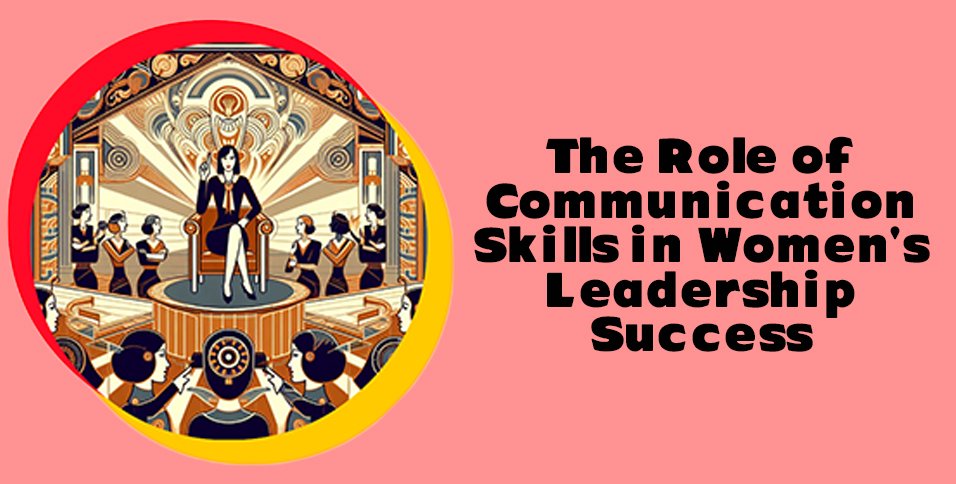
Introduction Effective communication is a cornerstone of successful leadership, enabling leaders to inspire, influence, and engage with their teams, stakeholders, and audiences effectively. For women leaders, honing exceptional communication skills is particularly crucial, as it can empower them to break through barriers, build trust, and assert their authority in traditionally male-dominated environments. In this blog post, we will delve into the importance of communication skills in women’s leadership success and explore practical strategies for enhancing communication effectiveness to drive organizational growth and foster inclusive and collaborative workplaces. In today’s fast-paced and interconnected business landscape, the ability to communicate effectively is essential for conveying ideas, building relationships, and driving organizational success. Poor communication, on the other hand, can lead to misunderstandings, conflicts, and decreased productivity, hindering leadership effectiveness and organizational performance. Mastering effective communication skills offers numerous benefits for women leaders, including: Active listening is a fundamental communication skill that involves fully concentrating, understanding, and responding to the speaker’s message. Women leaders can enhance their active listening skills by: Clear and concise communication is essential for conveying ideas, information, and messages effectively and efficiently. Women leaders can improve their clarity and conciseness by: Assertive communication involves expressing thoughts, ideas, and feelings confidently, respectfully, and directly, while also being receptive to the perspectives and feelings of others. Women leaders can enhance their assertive communication skills by: Jacinda Ardern, the Prime Minister of New Zealand, is a remarkable example of a woman leader who excels in communication and leadership. Ardern’s empathetic, authentic, and transparent communication style has earned her widespread admiration, trust, and support, enabling her to effectively lead and unite her country through various challenges and crises, including the COVID-19 pandemic. Christine Lagarde, the President of the European Central Bank, is another inspiring example of a woman leader who demonstrates exceptional communication and leadership skills. Lagarde’s articulate, composed, and persuasive communication style has contributed to her success in driving policy, leading organizational change, and fostering collaboration and unity among European countries and stakeholders. Conclusion Communication skills are a critical component of women’s leadership success, enabling women leaders to build trust, drive collaboration, influence and inspire others, and achieve organizational goals and objectives effectively. By mastering active listening, clear and concise communication, and assertive communication, women leaders can enhance their communication effectiveness, leadership impact, and organizational success. As we continue to recognize and celebrate the unique strengths, capabilities, and contributions of women leaders, let us also commit to fostering a supportive, inclusive, and empowering environment that values and nurtures communication skills, leadership development, and women’s advancement. Together, we can empower women leaders to excel, thrive, and make a lasting impact in their careers, organizations, and communities.
The Impact of Diversity in Leadership: Why Women’s Voices Matter

Introduction Diversity in leadership is more than just a buzzword—it’s a critical factor that drives innovation, fosters creativity, and enhances organizational performance. Women’s voices and perspectives bring unique insights, experiences, and approaches to leadership that are essential for addressing complex challenges, driving positive change, and creating a more inclusive and equitable workplace. In this blog post, we will explore the importance of diversity in leadership and why women’s voices matter in shaping organizational culture, decision-making, and success. The Importance of Diversity in Leadership The Challenge Historically, leadership roles across various industries and sectors have been dominated by men, resulting in a lack of gender diversity and representation in decision-making processes, strategies, and organizational cultures. This gender imbalance has contributed to systemic biases, stereotypes, and inequalities that hinder women’s advancement and contribute to workplace challenges and inefficiencies. The Benefits Embracing diversity in leadership, including gender diversity, has numerous benefits for organizations, including: Why Women’s Voices Matter in Leadership Bringing Unique Perspectives and Insights Women leaders bring unique perspectives, insights, and approaches to leadership that are shaped by their diverse experiences, backgrounds, and insights. Their unique viewpoints and experiences enable them to: Enhancing Emotional Intelligence and Communication Skills Women leaders often excel in emotional intelligence, communication, and interpersonal skills, which are essential for effective leadership, relationship-building, and collaboration. Their strengths in these areas enable them to: Driving Gender Diversity and Inclusion Women leaders serve as role models, mentors, and advocates for aspiring women leaders and contribute to driving gender diversity and inclusion in leadership roles and opportunities. Their influence and impact in leadership enable them to: Inspiring Stories of Women Leaders Making a Difference Ginni Rometty – Former CEO of IBM Ginni Rometty, the former CEO of IBM, is a prominent example of a woman leader who has made a significant impact in promoting diversity and inclusion in leadership. Under her leadership, IBM has implemented various initiatives and programs to support women in leadership, promote diversity and inclusion, and drive organizational growth and innovation. Rosalind Brewer – CEO of Walgreens Boots Alliance Rosalind Brewer, the CEO of Walgreens Boots Alliance, is another inspiring example of a woman leader who is committed to fostering diversity, inclusion, and women’s empowerment in leadership roles. Brewer’s leadership and advocacy for diversity and inclusion have contributed to enhancing organizational performance, culture, and success at Walgreens Boots Alliance. Conclusion The impact of diversity in leadership, particularly the inclusion of women’s voices, is undeniable and essential for driving innovation, enhancing decision-making, and fostering inclusive and equitable organizational cultures. By embracing diversity, promoting women’s leadership, and supporting gender diversity and inclusion in leadership roles and opportunities, organizations can unlock the full potential of their workforce, drive organizational growth and success, and create a more equitable and inclusive future for all. As we continue to recognize and celebrate the unique strengths, capabilities, and contributions of women leaders, let us also commit to fostering a supportive, inclusive, and empowering environment that values diversity, promotes women’s leadership, and empowers the next generation of women leaders to succeed, thrive, and make a lasting impact in their careers, organizations, and communities.
Empowering the Next Generation: Mentoring and Women in Leadership
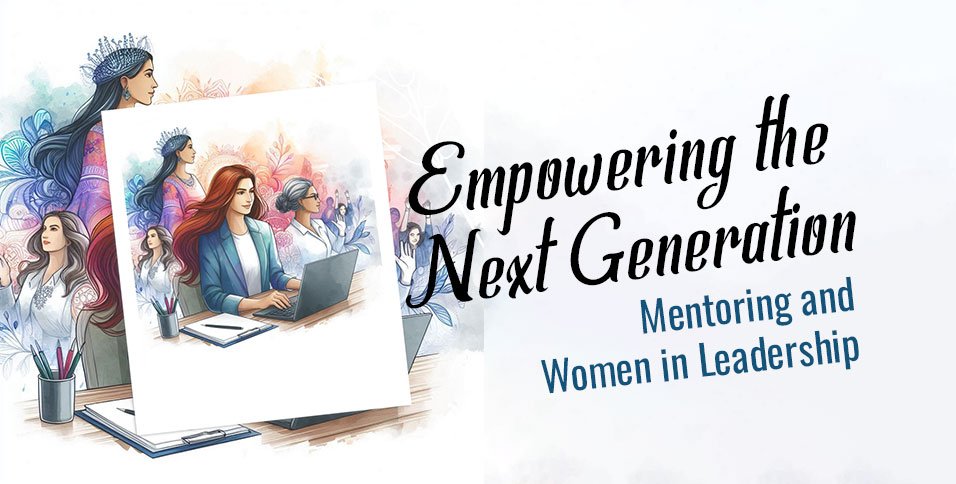
Introduction Mentorship is a powerful tool for empowering the next generation of women leaders and fostering gender diversity and inclusion in leadership roles. Women in leadership have a unique opportunity and responsibility to serve as mentors, role models, and advocates for aspiring women leaders, providing guidance, support, and opportunities for professional growth and development. In this blog post, we will explore the importance of mentoring in empowering the next generation of women leaders and share practical strategies and insights for effective mentoring and leadership development. The Importance of Mentoring in Women’s Leadership The Challenge Despite progress towards gender equality, women continue to be underrepresented in leadership roles across various industries and sectors. A lack of mentorship, support, and opportunities for women in leadership contributes to this gender gap, hindering women’s advancement and professional development. The Benefits Mentoring plays a crucial role in empowering the next generation of women leaders by: Strategies for Effective Mentoring and Women’s Leadership Development Establish Clear Goals and Expectations Setting clear goals, expectations, and objectives for the mentoring relationship is essential for fostering a productive and successful mentor-mentee relationship. Women leaders should: Foster a Supportive and Inclusive Mentoring Environment Creating a supportive and inclusive mentoring environment is essential for building trust, rapport, and mutual respect in the mentor-mentee relationship. Women leaders should: Encourage Skill Development and Leadership Opportunities Encouraging skill development, learning, and growth is crucial for empowering women leaders and preparing them for leadership roles and responsibilities. Women leaders should: Inspiring Stories of Women Leaders Empowering the Next Generation Melinda Gates – Co-Chair of the Bill & Melinda Gates Foundation Melinda Gates is a prominent example of a woman leader who is committed to empowering the next generation of women leaders through mentorship and philanthropy. As the co-chair of the Bill & Melinda Gates Foundation, Gates is dedicated to supporting women and girls’ education, health, and economic empowerment through various initiatives, programs, and partnerships. Oprah Winfrey – Media Executive, Actress, and Philanthropist Oprah Winfrey is another inspiring example of a woman leader who is passionate about empowering and mentoring the next generation of women leaders. Through her media empire, philanthropic efforts, and educational initiatives, Winfrey has inspired and empowered millions of women and girls around the world to pursue their dreams, overcome challenges, and achieve success in their personal and professional lives. Conclusion Mentoring is a powerful and essential strategy for empowering the next generation of women leaders and fostering gender diversity and inclusion in leadership roles. By providing guidance, support, and opportunities for professional development, women leaders can inspire, empower, and prepare aspiring women leaders to succeed, thrive, and make a lasting impact in their careers, organizations, and communities. As we continue to recognize and celebrate the unique strengths, capabilities, and contributions of women leaders, let us also
Work-Life Balance: How Women Leaders Manage It All

Introduction Work-life balance is a complex and often elusive concept, especially for women in leadership roles who juggle multiple responsibilities and roles both professionally and personally. The ability to effectively manage work-life balance is crucial for maintaining well-being, preventing burnout, and achieving long-term success and satisfaction in both professional and personal spheres. In this blog post, we will explore how women leaders navigate the challenges of work-life balance and share practical strategies and insights to help women leaders manage it all. The Importance of Work-Life Balance The Challenge Achieving work-life balance is a common challenge for many professionals, particularly women in leadership roles who face unique pressures and expectations. Balancing demanding work responsibilities with personal and family commitments can be stressful and overwhelming, leading to burnout, fatigue, and dissatisfaction. The Benefits Maintaining a healthy work-life balance is essential for overall well-being, job satisfaction, and long-term success. A balanced approach to work and life enables women leaders to: Strategies for Managing Work-Life Balance Prioritize Self-Care and Well-Being Self-care is crucial for maintaining work-life balance and preventing burnout. Women leaders should prioritize their physical, emotional, and mental well-being by: Efficient Time Management and Organization Effective time management and organization are essential for managing work-life balance and maximizing productivity. Women leaders can improve their time management and organizational skills by: Fostering Supportive and Flexible Work Environment Creating a supportive and flexible work environment is essential for achieving work-life balance and supporting women leaders’ personal and professional needs. Organizations can promote work-life balance by: Inspiring Stories of Women Leaders Managing Work-Life Balance Indra Nooyi – Former CEO of PepsiCo Indra Nooyi, the former CEO of PepsiCo, is a prominent example of a woman leader who successfully managed work-life balance throughout her career. Despite her demanding role as a CEO, Nooyi prioritized her family and personal life and emphasized the importance of work-life balance and well-being for herself and her employees. Mary Barra – CEO of General Motors Mary Barra, the CEO of General Motors, is another inspiring example of a woman leader who effectively manages work-life balance. Barra is known for her commitment to her family and personal life and for advocating for flexible work arrangements and supportive policies to help employees achieve work-life balance. Conclusion Work-life balance is a critical aspect of overall well-being, job satisfaction, and long-term success, especially for women leaders who juggle multiple responsibilities and roles both professionally and personally. By prioritizing self-care and well-being, practicing efficient time management and organization, and fostering a supportive and flexible work environment, women leaders can effectively manage work-life balance, prevent burnout, and achieve harmony and satisfaction in both their professional and personal lives. As we continue to recognize and celebrate the unique strengths, capabilities, and contributions of women leaders, let us also commit to fostering a supportive and inclusive environment that values work-life balance, well-being, and personal and professional growth. Together, we can empower women leaders to manage it all, thrive in their careers, and make a lasting impact in their organizations, communities, and beyond.
The Power of Emotional Intelligence in Women Leaders

Introduction Emotional intelligence (EI) is a critical skill that enables individuals to recognize, understand, and manage their own emotions as well as the emotions of others. In the realm of leadership, emotional intelligence plays a pivotal role in building strong relationships, fostering collaboration, and driving organizational success. Women leaders, in particular, often excel in emotional intelligence, leveraging their innate empathy, intuition, and interpersonal skills to lead effectively and inspire others. In this blog post, we will explore the importance of emotional intelligence in women leaders and how it contributes to their success and impact in various professional settings. What is Emotional Intelligence? Emotional intelligence encompasses a range of competencies, including self-awareness, self-regulation, empathy, and social skills. These competencies enable individuals to navigate complex interpersonal dynamics, communicate effectively, and make informed decisions based on both rational and emotional considerations. Components of Emotional Intelligence The Power of Emotional Intelligence in Women Leaders Building Strong Relationships One of the key strengths of women leaders with high emotional intelligence is their ability to build and maintain strong relationships with colleagues, team members, and stakeholders. Their empathy, active listening skills, and genuine interest in others’ well-being enable them to connect on a deeper level, foster trust, and create a supportive and collaborative work environment. Effective Communication and Conflict Resolution Women leaders with strong emotional intelligence excel in communication and conflict resolution. They are adept at articulating their thoughts and ideas clearly and persuasively, while also being attentive to the needs and perspectives of others. Their ability to navigate and resolve conflicts in a constructive and empathetic manner fosters harmony, cooperation, and mutual understanding within teams and organizations. Decision-Making and Problem-Solving Emotional intelligence enhances women leaders’ decision-making and problem-solving abilities by enabling them to consider both emotional and rational factors. Their self-awareness and self-regulation enable them to manage stress, remain calm under pressure, and make informed and balanced decisions that take into account the impact on individuals and the organization as a whole. Inspiring and Motivating Others Women leaders with high emotional intelligence are often inspiring and motivating leaders who empower others, foster personal and professional growth, and create a positive and inclusive organizational culture. Their ability to recognize and appreciate the contributions of others, provide constructive feedback, and encourage collaboration and innovation drives engagement, loyalty, and commitment among team members. Cultivating Emotional Intelligence in Women Leaders Self-Awareness and Personal Growth Cultivating self-awareness through introspection, reflection, and feedback is essential for developing emotional intelligence. Women leaders can enhance their self-awareness by engaging in regular self-assessment, seeking feedback from colleagues and mentors, and investing in personal and professional development opportunities. Empathy and Active Listening Developing empathy and active listening skills is crucial for enhancing emotional intelligence and interpersonal effectiveness. Women leaders can improve their empathetic listening skills by practicing attentive and non-judgmental listening, asking open-ended questions, and demonstrating genuine interest and concern for others’ perspectives and experiences. Emotional Regulation and Stress Management Managing emotions and regulating emotional responses in various situations is a key aspect of emotional intelligence. Women leaders can improve their emotional regulation and stress management skills by practicing mindfulness, relaxation techniques, and emotional self-regulation strategies, such as deep breathing, positive self-talk, and reframing negative thoughts. Conclusion Emotional intelligence is a powerful and essential skill for women leaders, enabling them to build strong relationships, communicate effectively, resolve conflicts, make informed decisions, and inspire and motivate others. By cultivating self-awareness, empathy, emotional regulation, and interpersonal skills, women leaders can leverage the power of emotional intelligence to lead effectively, foster collaboration, drive organizational success, and make a lasting impact in their professional roles and beyond. As we continue to recognize and celebrate the unique strengths and capabilities of women leaders, let us also commit to fostering a supportive and inclusive environment that values and nurtures emotional intelligence and empowers women to reach their full potential as compassionate, empathetic, and influential leaders in their organizations and communities.
Women in Tech Leadership: Breaking the Silicon Ceiling

Introduction The tech industry has long been known for its male-dominated culture, often referred to as the “Silicon Ceiling.” Despite the significant contributions and capabilities of women in technology, they remain underrepresented in leadership roles. However, women in tech leadership are breaking barriers, challenging stereotypes, and paving the way for greater gender diversity and inclusion in the tech sector. In this blog post, we will explore the challenges and opportunities faced by women in tech leadership and highlight the inspiring stories and strategies of women who are breaking the Silicon Ceiling. The Gender Gap in Tech Leadership The Challenge The tech industry continues to grapple with a significant gender gap, particularly in leadership positions. According to various studies and reports, women make up only a small percentage of tech leadership roles, including CEOs, CTOs, and other executive positions. Overcoming the Challenge Promoting Gender Diversity and Inclusion: Organizations must prioritize and promote gender diversity and inclusion in their hiring and leadership development strategies. Implementing diversity and inclusion initiatives, unconscious bias training, and inclusive recruitment practices can help attract and retain more women in tech leadership roles. Empowering Women in STEM: Encouraging and supporting women and girls to pursue education and careers in STEM (Science, Technology, Engineering, and Mathematics) fields can help bridge the gender gap in tech leadership. Providing mentorship, scholarships, and educational opportunities for women in STEM is crucial for fostering talent and promoting gender diversity in the tech industry. Inspiring Women in Tech Leadership Sheryl Sandberg – COO of Facebook Sheryl Sandberg is a prominent figure in the tech industry and a strong advocate for women in leadership. As the COO of Facebook, she has been instrumental in driving the company’s growth and success. Sandberg is also the author of the best-selling book “Lean In,” in which she encourages women to pursue their ambitions, challenge gender stereotypes, and strive for leadership roles in the workplace. Reshma Saujani – Founder and CEO of Girls Who Code Reshma Saujani is the founder and CEO of Girls Who Code, a nonprofit organization dedicated to closing the gender gap in technology by inspiring, educating, and equipping young women with the skills and resources to pursue careers in tech. Saujani is a passionate advocate for women in tech and a leading voice in the movement to empower and support girls and women in STEM fields. Susan Wojcicki – CEO of YouTube Susan Wojcicki is the CEO of YouTube and one of the most influential women in tech. Under her leadership, YouTube has experienced significant growth and innovation, solidifying its position as a leading platform for video content. Wojcicki is a strong advocate for diversity and inclusion in the tech industry and has implemented various initiatives to support and promote women in tech leadership roles at YouTube. Strategies for Women in Tech Leadership Build Strong Networks and Mentorship Networking and mentorship are essential for women in tech leadership. Building strong professional networks, connecting with other women in tech, and seeking mentorship from experienced leaders can provide valuable support, guidance, and opportunities for career advancement. Develop Leadership Skills and Confidence Cultivating leadership skills, confidence, and assertiveness is crucial for women in tech leadership. Investing in professional development, leadership training, and personal growth can help women enhance their leadership capabilities, overcome challenges, and achieve success in the tech industry. Advocate for Gender Equality and Inclusive Policies Women in tech leadership have a unique opportunity to advocate for gender equality and inclusive policies within their organizations and the broader tech industry. Championing diversity, equity, and inclusion initiatives, promoting gender-balanced leadership teams, and fostering a supportive and inclusive work environment are essential for breaking the Silicon Ceiling and creating opportunities for women to thrive in tech leadership roles. Conclusion Women in tech leadership are breaking the Silicon Ceiling, challenging stereotypes, and making significant contributions to the tech industry. By promoting gender diversity and inclusion, empowering women in STEM, inspiring and supporting women leaders, and implementing strategies to overcome the challenges faced by women in tech leadership, we can continue to drive progress and create opportunities for women to succeed and lead in the tech industry. As we celebrate the accomplishments and contributions of women in tech leadership, let us continue to advocate for gender equality, support women in their professional journeys, and work together to break down barriers, shatter stereotypes, and build a more inclusive and diverse tech industry.