
Rise of Smart Materials: How Women Innovators Are Shaping the Future of Sustainable Manufacturing

As industries worldwide strive to become more sustainable, smart materials are emerging as a game-changing innovation in manufacturing. These advanced materials can adapt to their environment, offering solutions that reduce waste, enhance efficiency, and minimize environmental impact. At the forefront of this revolution are women innovators who are not only pioneering the development of smart materials but also transforming the landscape of sustainable manufacturing. Understanding Smart Materials Smart materials possess unique properties that allow them to change in response to external stimuli, such as temperature, light, or moisture. This adaptability enables manufacturers to create products that are more efficient, durable, and environmentally friendly. For instance, shape memory alloys can return to a predetermined shape when heated, reducing the need for complex mechanical systems. Similarly, self-healing materials can repair themselves when damaged, extending the lifespan of products and reducing waste. Women Leading the Charge Women are increasingly stepping into roles that drive innovation in the smart materials sector. From researchers in labs to engineers on the factory floor, women are playing a vital role in the development and application of these materials. Their contributions are not only fostering technological advancements but also promoting sustainability within the manufacturing industry. Female leaders are making strides in both academia and industry. They are conducting groundbreaking research to develop new smart materials that utilize renewable resources and reduce carbon emissions. By advocating for sustainability and pushing for the adoption of smart materials, these women are influencing the future of manufacturing and setting a precedent for environmental responsibility. Creating New Career Opportunities The rise of smart materials is creating diverse career opportunities for women in manufacturing. As the demand for these innovative materials grows, so does the need for skilled professionals who can design, develop, and implement them. Women entering the field can find roles in material science, engineering, research and development, and product design. Educational institutions and organizations are also recognizing the importance of fostering female talent in this sector. Programs and initiatives aimed at encouraging women to pursue careers in STEM (science, technology, engineering, and mathematics) are gaining traction, providing support and mentorship for aspiring innovators. This focus on education helps to ensure that women are well-represented in the development of sustainable solutions. Impacting the Industry and Beyond The integration of smart materials in manufacturing not only contributes to sustainability but also enhances product performance and consumer safety. For example, in the construction industry, smart materials can regulate temperature, improving energy efficiency in buildings. In the automotive sector, lightweight smart materials can lead to more fuel-efficient vehicles. By championing these technologies, women innovators are making a significant impact on multiple industries and contributing to a more sustainable future. A Bright Future Ahead As the world grapples with climate change and environmental challenges, the role of women in shaping sustainable manufacturing through smart materials is more critical than ever. Their leadership and innovation are paving the way for a greener, more efficient future. By harnessing the potential of smart materials, women are not only transforming manufacturing processes but also inspiring future generations to prioritize sustainability in their careers. In conclusion, the rise of smart materials presents a unique opportunity for women in manufacturing to lead the charge towards a more sustainable future. By embracing this technology and its potential, women can drive innovation and create lasting change in the industry, ensuring that sustainability becomes a core principle of manufacturing practices moving forward. Read More: Scaling Up Smart: Financial Strategies for Women-Owned Manufacturing Businesses
Bridging the Gender Gap in Tech: How Women Can Leverage Cloud Computing to Drive Innovation
The IT industry is evolving at a pace never seen before, with cloud computing at the heart of this transformation. As businesses and organizations move to digital-first strategies, the demand for cloud-based solutions continues to grow. For women in tech, this shift offers a unique opportunity to close the gender gap and lead innovation in an industry where they have historically been underrepresented. Why Cloud Computing Matters Cloud computing is revolutionizing how businesses operate, offering scalable, cost-effective solutions for everything from data storage to software development. Companies no longer need expensive infrastructure to compete in the digital economy; they can access the power of the cloud to accelerate their growth and innovation. For women entering or advancing in IT, cloud computing offers a pathway to develop new skills, take on leadership roles, and drive technological change. The demand for cloud computing expertise has surged, with industries across sectors seeking professionals who can implement and manage cloud-based systems. This growing field provides a wide range of opportunities for women, from technical roles like cloud engineers and architects to strategic positions in cloud management and consulting. And because cloud solutions are essential across industries—finance, healthcare, education—women can apply their expertise in virtually any sector. Breaking Barriers with Certifications One of the best ways for women to enter the cloud computing space is by earning certifications in cloud platforms like Amazon Web Services (AWS), Microsoft Azure, or Google Cloud. These certifications not only provide the technical knowledge needed to navigate complex systems but also serve as a competitive advantage in the job market. For women who may face barriers to entering traditional tech roles, these certifications offer a clear and attainable path to advancement. Many organizations now offer free or low-cost courses to help women upskill in cloud computing. These programs often come with networking opportunities, connecting women to mentors, peers, and potential employers. By earning these credentials, women can establish themselves as experts in a rapidly growing field and position themselves for leadership roles. Driving Innovation and Leadership Cloud computing also empowers women to become innovators and entrepreneurs. With access to cloud-based tools and platforms, women can start their own tech businesses, launch apps, or develop software solutions without the need for extensive upfront investment. The cloud reduces the technical and financial barriers traditionally associated with starting a tech venture, making it easier for women to bring their ideas to life. Additionally, as more companies shift to cloud-first models, women in IT have the opportunity to lead these transformations. Whether by implementing cloud strategies in established companies or pioneering new startups, women can leverage their cloud expertise to shape the future of business and technology. Building an Inclusive Future in Tech Cloud computing is more than just a technological advancement—it’s a chance to create a more inclusive tech industry. As more women gain cloud computing skills and certifications, they can challenge the status quo, making the tech sector more diverse and innovative. By embracing these opportunities, women not only advance their careers but also contribute to a broader cultural shift that encourages diversity in IT leadership. The future of tech is in the cloud, and women have the chance to take the lead. By leveraging cloud computing to drive innovation, women can break barriers, seize new opportunities, and reshape the industry for generations to come. Read More: Empowering Women Through EdTech: Female Founders Driving Change in Online Learning
Women and the EdTech Revolution: How Online Communities Empower Growth
As the world of education moves further into the digital realm, a transformation is underway—one that opens up new avenues for women to thrive in ways never before possible. At the heart of this change lies the power of online communities, which are rapidly becoming the backbone of education technology (EdTech). Women now have unprecedented opportunities to develop skills, build businesses, and connect with global networks, all while navigating the complexities of modern life. A New Way to Learn and Connect Online education has shattered traditional barriers, offering flexibility and access to resources that fit into diverse lifestyles. For women balancing careers, family, and personal ambitions, this flexibility is key. Through these online platforms, women can acquire new knowledge and skills without being constrained by rigid schedules. These virtual environments create spaces where learning is continuous and adaptable, ensuring that education fits around the demands of everyday life. Yet the true strength of this revolution lies not just in the convenience of learning, but in the communities that form around these platforms. These digital networks connect women across industries and geographies, offering a space for collaboration, idea-sharing, and support. Whether they are pursuing entrepreneurial goals or professional development, women can now tap into a collective intelligence that extends far beyond traditional classrooms or workplaces. Building Skills with Purpose For women looking to advance their careers or launch startups, EdTech communities offer more than just learning materials—they provide access to mentorship, peer support, and industry insights. Through these communities, women gain direct exposure to expertise that accelerates their progress. Networking within these groups often leads to collaborative ventures, funding opportunities, and access to markets that might otherwise remain out of reach. These digital spaces also foster an environment of innovation, where women can experiment, refine their ideas, and develop the confidence to bring those ideas to market. As the landscape of business and education continues to shift, having a support network can make the difference between success and stagnation. Women in EdTech communities are no longer isolated learners; they are active participants in shaping the future. Confidence Through Connection Success in any field often begins with confidence, and online communities provide a low-pressure environment for women to test their skills and refine their strategies. The feedback and encouragement found in these spaces help women overcome self-doubt and push forward with their ambitions. As women grow their confidence, they are more likely to assume leadership roles, advocate for themselves, and make strides in industries where they have historically been underrepresented. The power of these communities lies in their ability to create connections that matter. Women share their challenges and triumphs, learning not only from their own experiences but from the experiences of others. This collective wisdom strengthens individual growth and enables women to step into roles of leadership with assurance and purpose. Paving the Way for Future Leaders The ripple effect of women participating in these communities extends beyond personal achievement. As more women engage in EdTech, they set a precedent for the next generation of learners and leaders. Their success stories become examples for young women who see them as proof that they too can thrive in traditionally male-dominated fields. This collective influence helps break down systemic barriers and ensures that more women have access to the opportunities they deserve. Read More: Empowering Women Through EdTech: Female Founders Driving Change in Online Learning
Female Entrepreneurs Redefining Retail with Digital Pop-Up Shops: The New Frontier of Online Shopping
In the ever-evolving world of retail, female entrepreneurs are leading the charge with innovative strategies to engage today’s consumers. One of the most exciting trends emerging in the digital space is the rise of digital pop-up shops. These short-term, online-only stores create a sense of urgency and exclusivity, allowing brands to offer unique, limited-time shopping experiences. For women entrepreneurs, digital pop-ups are becoming a powerful tool to build brand excitement, test new ideas, and attract a wider audience. What Are Digital Pop-Up Shops? Digital pop-up shops are temporary online stores that operate for a limited time, often tied to a specific event, product launch, or marketing campaign. Unlike traditional brick-and-mortar pop-ups, these virtual stores take advantage of the flexibility and reach of e-commerce, allowing entrepreneurs to connect with customers globally, without the overhead costs associated with physical locations. Female entrepreneurs are particularly well-suited to thrive in this space due to their creativity, agility, and ability to tap into the digital-savvy, socially conscious consumer base. These online pop-ups create a unique sense of anticipation and urgency, encouraging customers to act quickly before the shop disappears, a strategy that drives higher engagement and sales. Why Digital Pop-Ups Are Gaining Popularity For many female founders, digital pop-ups offer an ideal platform to experiment with new products or ideas without committing to long-term inventory or infrastructure. This allows them to test consumer reactions, gather feedback, and refine their offerings before making bigger investments. Take, for example, Sarah Flint, founder of her eponymous luxury shoe brand. Flint has used digital pop-up shops to launch limited-edition collections, creating buzz and exclusivity around her products. By leveraging this model, she keeps her brand fresh and exciting, while driving direct-to-consumer engagement. Building Buzz and Community Digital pop-up shops are not just about driving sales—they’re also a powerful way to build brand communities. Female entrepreneurs are increasingly partnering with influencers, designers, or like-minded brands to create collaborative pop-ups that generate buzz. These partnerships give small businesses greater visibility while offering consumers a more diverse and exciting shopping experience. By incorporating elements like countdown timers, exclusive product drops, or live virtual events, female entrepreneurs create an interactive shopping environment that keeps consumers coming back for more. Additionally, these digital pop-ups are often aligned with broader marketing strategies, such as seasonal promotions or charitable causes, further enhancing their appeal. Lowering Barriers to Entry One of the greatest advantages of digital pop-up shops is that they lower the barriers to entry for women entrepreneurs. Launching a traditional retail store can be expensive and resource-intensive, but digital pop-ups allow for cost-effective, quick-to-launch alternatives. This is particularly beneficial for small businesses or startups looking to test new markets, products, or concepts without long-term commitments. Conclusion Female entrepreneurs are redefining the future of retail by embracing the potential of digital pop-up shops. These temporary online stores offer flexibility, creativity, and excitement, allowing women to engage with consumers in fresh, innovative ways. As the retail landscape continues to shift towards online-first experiences, digital pop-ups are likely to remain a valuable tool for female-led brands looking to stand out and connect with modern shoppers. Also Read: Building a Purpose-Driven Retail Brand: How Women Entrepreneurs Are Shaping the Future of Conscious Consumerism
Empowering Women Through EdTech: Female Founders Driving Change in Online Learning
The education sector is undergoing a massive transformation, thanks in part to the rapid growth of educational technology (EdTech). Women entrepreneurs are playing a crucial role in this evolution, building platforms and solutions that break down barriers to learning and create opportunities for women and girls globally. Through their innovations, they are driving the future of education and making it more accessible, inclusive, and engaging for all. Revolutionizing Access to Education One of the greatest impacts of EdTech has been its ability to make education accessible to people from all walks of life, especially those in underserved communities. Female founders are at the forefront of this movement, designing platforms that provide affordable online courses, skill-building programs, and personalized learning tools to individuals who otherwise might not have access to quality education. For instance, Reshma Saujani, founder of the non-profit organization Girls Who Code, is tackling the gender gap in technology by offering coding education to young women. Her organization has empowered thousands of girls across the globe, providing them with the skills they need to succeed in the tech industry. By creating opportunities for girls to learn coding at an early age, Saujani is closing the digital divide and fostering future female leaders in STEM. Addressing Gender Disparities in Education Globally, millions of girls still face barriers to education, including cultural restrictions, poverty, and limited access to resources. Women-led EdTech initiatives are working to remove these obstacles and create pathways for learning that cater specifically to the needs of women and girls. These platforms offer flexible, online educational opportunities that can be accessed from anywhere, allowing women to balance education with family, work, and other responsibilities. Priya Lakhani, founder of CENTURY Tech, has developed an AI-powered learning platform that tailors educational content to the individual needs of each student. Her work is particularly impactful in low-income communities, where access to quality education is often limited. By leveraging artificial intelligence, Lakhani’s platform ensures that every student, including young girls who may face additional challenges, receives a personalized learning experience that helps them succeed. Upskilling and Lifelong Learning Women entrepreneurs in EdTech are also focusing on upskilling and reskilling women in the workforce. As industries rapidly evolve and digital transformation accelerates, lifelong learning has become essential for career growth. Female founders are designing platforms that cater to adult learners, offering courses that help women acquire new skills, advance their careers, and enter high-demand fields like technology and data science. Shivani Siroya, founder of Tala, is one such entrepreneur making an impact. Tala, while primarily a financial technology company, integrates educational tools into its platform to empower women entrepreneurs in developing countries. Through access to financial literacy resources and business education, women are gaining the skills they need to grow their businesses and achieve financial independence. Conclusion Women entrepreneurs are reshaping the education landscape through innovative EdTech solutions that prioritize accessibility, flexibility, and empowerment. From addressing gender disparities to upskilling women in the workforce, their efforts are creating a more inclusive future where women and girls can thrive through education. As female founders continue to drive change in the EdTech space, their contributions will have a lasting impact on global education, unlocking opportunities for generations to come. Also Read: Women and the EdTech Revolution: How Online Communities Empower Growth
Women Entrepreneurs Revolutionizing Telehealth: Bridging Gaps in Healthcare Access

The telehealth industry has experienced a surge in demand, particularly after the COVID-19 pandemic redefined how healthcare services are delivered. Amid this shift, women entrepreneurs are playing a pivotal role in revolutionizing telehealth, bringing innovative solutions to enhance healthcare access for millions. Their contributions are not only shaping the future of healthcare but also making it more inclusive and responsive to the needs of underserved populations. Addressing Gaps in Healthcare Access One of the greatest challenges in healthcare today is the disparity in access to quality services, especially in rural or underserved communities. Women entrepreneurs in telehealth are tackling this problem head-on by designing platforms that offer affordable and convenient care. These platforms enable patients to connect with doctors, mental health professionals, and specialists from the comfort of their homes. For example, Dr. Iman Abuzeid, co-founder of Incredible Health, developed a platform that addresses staffing shortages in healthcare by connecting hospitals with qualified nurses through a tech-driven marketplace. By helping hospitals hire faster and more efficiently, her platform ensures that patients receive better care, especially in areas where healthcare workers are in short supply. Focusing on Women’s Health and Maternal Care Women entrepreneurs are also prioritizing healthcare solutions for women’s health and maternal care. Traditional healthcare systems often overlook these areas, but female founders are designing telehealth platforms to provide specialized care for issues like reproductive health, fertility, and postpartum support. A shining example is Carrot Fertility, founded by Tammy Sun. Carrot provides telehealth-based fertility care for women and couples, offering services that range from fertility consultations to egg freezing. By integrating fertility care into employee benefits, Sun’s company makes these services more accessible and affordable to women who may otherwise not have access to them. Mental Health Innovations Mental health has been another critical focus area for women-led telehealth companies. Women entrepreneurs recognize the growing demand for mental health services, especially in the wake of the pandemic. By creating platforms that connect patients to licensed therapists and mental health professionals online, they are closing the gap in mental healthcare. April Koh, founder of Spring Health, is revolutionizing mental healthcare by offering personalized mental health services through telehealth. Spring Health provides AI-driven assessments to tailor treatment plans for individuals, ensuring they receive the care that best fits their needs. This level of personalization is transforming how mental health services are delivered, making them more effective and accessible. Overcoming Challenges in the Healthcare Industry Despite their achievements, women entrepreneurs in telehealth face significant challenges, including gender bias and barriers to funding. However, many are overcoming these obstacles through resilience, collaboration, and determination. By forming networks and leveraging support from venture capital firms focused on female-led startups, they continue to break down barriers in the healthcare industry. Conclusion Women entrepreneurs are at the forefront of the telehealth revolution, leveraging technology to bridge gaps in healthcare access. Their focus on underserved populations, women’s health, and mental wellness is transforming the healthcare landscape. As telehealth continues to expand, the contributions of these female pioneers will be instrumental in shaping a future where healthcare is more accessible, affordable, and equitable for all. Also Read: Work-Life Balance in Healthcare: Strategies for Women to Thrive Professionally and Personally
Rise of Women-Run Boutique Hotels: Crafting Unique Experiences in Hospitality
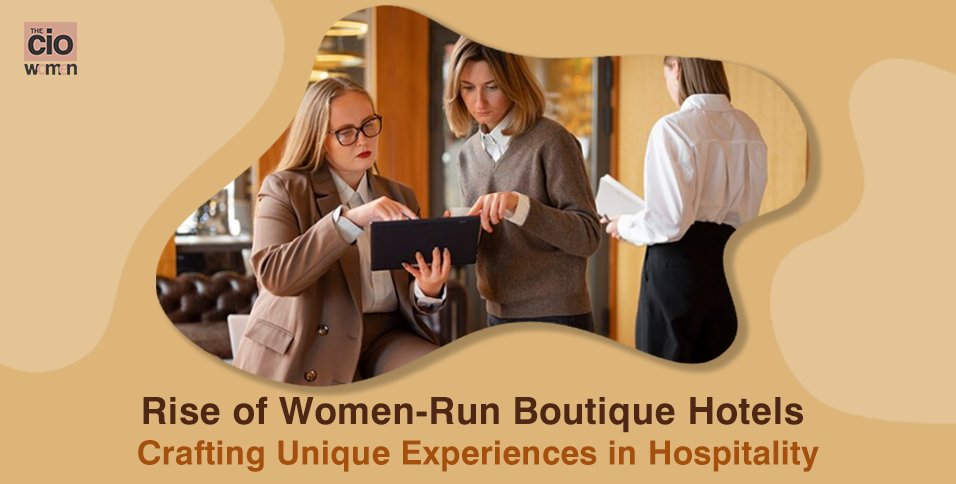
In recent years, the hospitality industry has witnessed a remarkable transformation, with women entrepreneurs stepping into leadership roles and establishing boutique hotels that stand out for their creativity, personalized service, and community engagement. As the industry evolves, women are not only breaking the glass ceiling but also redefining what hospitality means in the modern age. The Boutique Hotel Movement Boutique hotels offer a unique alternative to traditional accommodations, focusing on individuality and authentic experiences rather than mass-market appeal. They often embody the personality of their owners, reflecting their values and aesthetics. Women entrepreneurs are particularly adept at creating spaces that resonate with guests on a personal level, fostering an environment of warmth and comfort. For example, consider the story of women like Liz Lambert, who transformed a rundown Texas motel into the iconic Hotel San Jose. Lambert’s vision was rooted in the belief that hotels should feel like home, a sentiment that resonates deeply with many travelers today. Her emphasis on local art, curated experiences, and sustainable practices has made Hotel San Jose a beloved destination, proving that personal touches can set a business apart. Community Engagement Women-led boutique hotels often prioritize community involvement, creating partnerships with local artists, farmers, and businesses. This focus not only enhances the guest experience but also fosters economic growth in the surrounding area. Many women entrepreneurs believe that a hotel should serve as a bridge between visitors and the local culture. Take the example of The Whitby Hotel in London, run by the talented and visionary owner, Kit Kemp. Kemp emphasizes local art and design while supporting nearby artisans, turning her hotel into a canvas that showcases the city’s creative spirit. This approach not only enriches the hotel’s ambiance but also strengthens ties with the community, encouraging guests to explore and appreciate the area. Overcoming Challenges Despite their success, women in the hospitality sector still face unique challenges, including access to funding and industry networks. However, many women are finding innovative ways to overcome these obstacles. They are forming alliances, sharing resources, and mentoring one another to create a supportive ecosystem for aspiring entrepreneurs. Organizations like the Boutique & Lifestyle Lodging Association (BLLA) are helping to amplify women’s voices in the industry, providing platforms for networking, education, and collaboration. By uniting under a common goal, women are not only elevating their own businesses but also paving the way for future generations of female leaders in hospitality. Conclusion The rise of women-run boutique hotels is not just a trend; it represents a significant shift in the hospitality landscape. These pioneers are crafting unique experiences that prioritize authenticity, community, and personal connection, fundamentally changing how we think about travel and accommodation. As the industry continues to evolve, the contributions of women entrepreneurs will undoubtedly play a crucial role in shaping its future, inspiring others to follow in their footsteps and create spaces that celebrate individuality and local culture. Also Read: Elevating Guest Experience: How Women Are Redefining Luxury and Personalization in Hospitality
Rise of the Interactive Narrative: Women Creators Redefining Storytelling in Video Games
The world of video games is undergoing a significant transformation, with interactive narratives taking center stage. Women creators are leading this charge, reshaping how stories are told and experienced. Their innovative approaches not only enhance gameplay but also bring diverse perspectives to an industry that has traditionally been male-dominated. What Are Interactive Narratives? Interactive narratives allow players to engage deeply with the storyline by making choices that influence the game’s outcome. This form of storytelling creates a more immersive experience, giving players agency over their journey. Women in the gaming industry are leveraging this format to explore complex themes and characters, moving beyond traditional narratives that often lack depth. Notable Female Creators Several women have made substantial contributions to interactive storytelling. Amy Hennig, renowned for her work on the Uncharted series, has set a high standard for blending cinematic storytelling with player choice. Her ability to create compelling narratives has inspired a new generation of game developers. Katherine Bailey, an influential game journalist and developer, emphasizes the importance of inclusive narratives. Her work advocates for stories that reflect a variety of experiences, proving that diverse voices can enrich the gaming landscape. Another trailblazer, Hannah Haller, has created projects that use interactive storytelling to address social issues. By integrating meaningful themes into gameplay, Haller demonstrates how games can be both entertaining and thought-provoking. The Power of Collaboration Collaboration is vital in the gaming industry, and women creators are increasingly working together to push boundaries. Organizations like Women in Games promote networking and mentorship, fostering an environment where female voices can thrive. This sense of community not only elevates individual projects but also cultivates a more inclusive gaming culture. Enhancing Player Engagement The inclusion of female perspectives in interactive narratives directly impacts player engagement. Games like Life is Strange and The Last of Us Part II feature female protagonists navigating complex emotional landscapes, resonating with diverse audiences. These narratives encourage players to reflect on their choices and values, creating a deeper connection to the story. Overcoming Challenges Despite their significant contributions, women in the gaming industry face challenges, including underrepresentation and a lack of recognition. Many report feeling sidelined in development processes or struggling to secure funding. However, the rising demand for diverse stories presents an opportunity for change. As the gaming community increasingly values varied narratives, women have the chance to lead this evolution. Conclusion The rise of interactive narratives in video games is significantly influenced by women creators who are redefining storytelling. By bringing diverse experiences and perspectives to the forefront, they enrich the gaming landscape and set new industry standards. As we look ahead, it’s exciting to envision how these trailblazers will continue to shape the future of gaming, ensuring that stories remain as dynamic and multifaceted as the players who engage with them. Supporting these creators not only enhances our gaming experiences but also paves the way for a more inclusive and innovative industry. Also Read: The Power of Female Storytelling: How Women Creators Are Shaping Modern Media
Business of Nostalgia: How Women Entrepreneurs Are Capitalizing on ’90s and 2000s Fashion

Nostalgia has an undeniable charm, especially in the fashion industry. Today, many women entrepreneurs are seizing the opportunity to revive the iconic styles of the ’90s and 2000s, blending retro vibes with modern sensibilities. This trend is not only a testament to the cyclical nature of fashion but also a savvy business strategy that resonates with consumers’ yearning for familiarity and comfort. The Power of Nostalgia The ’90s and 2000s were characterized by bold colors, oversized silhouettes, and unique accessories that evoke fond memories for many. Brands are tapping into this nostalgia by reintroducing styles like baggy jeans, crop tops, and platform shoes. This revival is particularly appealing to millennials and Gen Z consumers who seek authenticity in their fashion choices. Women-Led Brands Making Waves Several female entrepreneurs are at the forefront of this retro resurgence, launching brands that specifically cater to this trend. For instance, Nasty Gal, founded by Sophia Amoruso, initially began as an eBay store selling vintage pieces and has since evolved into a multi-million dollar brand that embraces vintage aesthetics. Similarly, Boohoo, co-founded by Mahmud Kamani and Carol Kane, has consistently integrated nostalgic pieces into their collections, reflecting the desires of a fashion-conscious audience. Marketing Strategies that Resonate Successful brands are leveraging social media platforms like Instagram and TikTok to create buzz around their nostalgic offerings. Engaging visuals and influencer collaborations amplify their reach, while curated feeds evoke a sense of community among fans of retro fashion. Many entrepreneurs also use storytelling to connect with consumers, sharing the cultural significance of certain pieces or styles to deepen the emotional impact. The Business of Customization Customization is another trend that complements the nostalgia revival. Brands like Re/Done allow consumers to personalize vintage denim, merging past and present in a way that feels unique to each buyer. This approach not only satisfies the desire for individuality but also fosters brand loyalty, as customers become invested in the creation of their pieces. Challenges and Considerations While the nostalgia trend offers exciting opportunities, it also presents challenges. Entrepreneurs must balance the line between homage and innovation, ensuring that their offerings feel fresh rather than simply repetitive. Additionally, they need to be mindful of sourcing materials sustainably, aligning with consumers’ growing preference for ethical practices, even in nostalgic fashion. Conclusion The resurgence of ’90s and 2000s fashion presents a unique opportunity for women entrepreneurs to tap into consumer nostalgia while building successful brands. By embracing the aesthetics of the past, they are not only creating trendy pieces but also fostering a sense of community among consumers. As this trend continues to evolve, it will be fascinating to see how these entrepreneurs navigate the complexities of nostalgia while shaping the future of fashion. Also Read: From Passion to Product: How Women Fashion Entrepreneurs Are Tapping into Micro-Niche Markets
Financial Literacy for Women Entrepreneurs: Bridging the Knowledge Gap to Scale Businesses
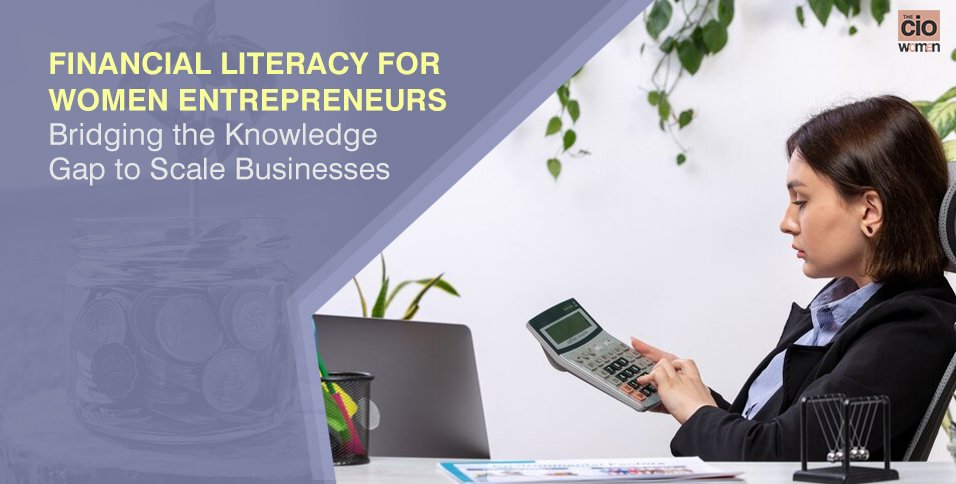
Financial literacy is a critical factor for entrepreneurial success, yet many women entrepreneurs face significant knowledge gaps when it comes to managing finances. Despite their growing presence in business, women often encounter challenges related to accessing capital, understanding financial tools, and navigating investment opportunities. Bridging this financial literacy gap is key to empowering women to scale their businesses and achieve long-term success. The Unique Financial Challenges Women Entrepreneurs Face While women-owned businesses are on the rise globally, women entrepreneurs often face barriers that make scaling more difficult. One of the most pressing issues is limited access to capital. Studies show that women receive less funding from traditional sources such as banks and venture capitalists compared to their male counterparts. This disparity can stem from systemic biases, as well as a lack of awareness or confidence in seeking alternative funding options. Additionally, many women entrepreneurs find financial planning and cash flow management challenging. Without a strong foundation in financial literacy, it can be difficult to make informed decisions about expenses, profits, and investments. These challenges not only hinder day-to-day business operations but also create obstacles to scaling a business. Financial Literacy: The Key to Unlocking Business Growth Improving financial literacy is essential for women entrepreneurs to overcome these challenges. Financial literacy goes beyond just understanding numbers—it involves knowing how to budget, manage cash flow, seek funding, and make strategic investment decisions. With the right financial knowledge, women can make more confident decisions, allowing them to better manage their businesses and pursue growth opportunities. For example, mastering cash flow management ensures that entrepreneurs can maintain liquidity, plan for future expenses, and reinvest in their businesses without financial strain. Similarly, understanding tax planning and legal compliance helps women avoid costly mistakes and improve their bottom line. Being financially literate also means recognizing when and how to seek outside capital, whether through loans, investors, or crowdfunding, to fuel expansion. Programs and Tools Empowering Women Entrepreneurs Fortunately, several initiatives are helping women entrepreneurs bridge the financial literacy gap. Organizations like SheEO, WEConnect International, and local women’s business networks offer mentorship, workshops, and resources specifically tailored to improving women’s financial knowledge. These programs teach essential skills such as financial planning, budgeting, and investment strategies, helping women gain the confidence and expertise they need to grow their businesses. The Path to Financial Independence By improving their financial literacy, women entrepreneurs can break down barriers that have traditionally held them back. Armed with the right financial tools and knowledge, they can secure funding, streamline operations, and make smarter investments to scale their businesses. As more women gain financial confidence, we can expect to see an even greater rise in successful women-owned businesses, contributing to a more equitable and diverse business landscape. Conclusion Financial literacy is not just a skill—it’s a pathway to financial independence and business growth. By bridging the financial knowledge gap, women entrepreneurs can unlock new opportunities, navigate challenges more effectively, and scale their businesses to greater heights. Investing in financial education for women entrepreneurs is a critical step toward building a more inclusive and prosperous business environment. Also Read: The Impact of ESG Investing on Women’s Financial Empowerment: Opportunities and Challenges