
Rise of Women-Owned Micro-Manufacturing Businesses: How Small-Scale Production is Disrupting the Industry
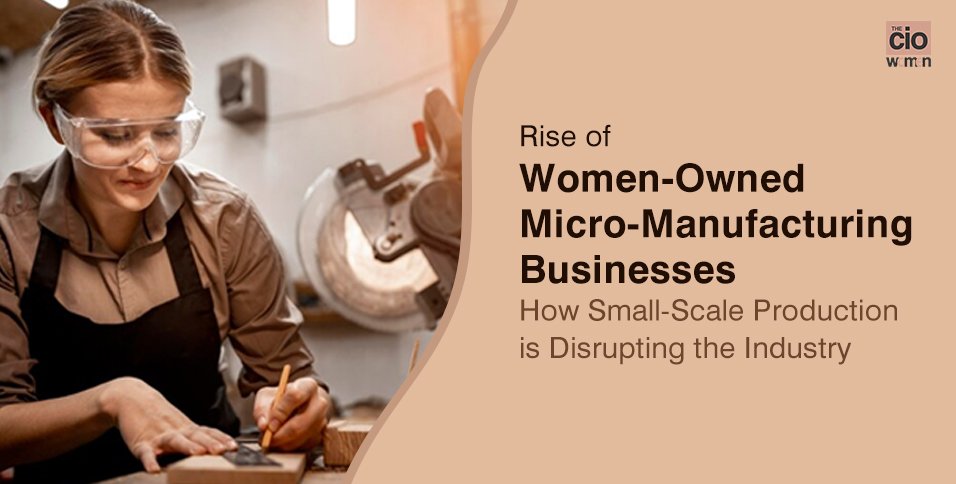
In a world where large-scale manufacturing has long dominated the market, a quiet revolution is unfolding. Women entrepreneurs are stepping into the spotlight, using micro-manufacturing to create high-quality, niche products with a personal touch. This shift toward small-scale production is disrupting traditional manufacturing models, offering consumers something unique and filling a demand for personalization, sustainability, and craftsmanship. What is Micro-Manufacturing? Micro-manufacturing refers to the production of goods on a smaller scale, often through local, flexible, and highly customizable systems. Unlike mass production, which focuses on volume and uniformity, micro-manufacturing emphasizes quality, customization, and efficiency. With advancements in technology—such as 3D printing, automated small-batch production, and digital tools—micro-manufacturing allows for the creation of unique, tailored products without the need for massive infrastructure or capital investment. Women Entrepreneurs Leading the Charge Women are at the forefront of this micro-manufacturing movement. Many are seizing the opportunity to enter industries that were once dominated by large corporations and male entrepreneurs. With lower startup costs and the ability to scale up gradually, micro-manufacturing is empowering women to launch businesses from their own homes or small workshops. Take, for example, women-owned companies that produce handcrafted beauty products, customized jewelry, or locally sourced food items. These entrepreneurs often focus on creating high-quality, artisan goods that reflect their personal vision and values, offering a stark contrast to the mass-produced items found on store shelves. By prioritizing craftsmanship, creativity, and sustainability, women are reshaping the manufacturing landscape. How Micro-Manufacturing Disrupts the Industry Micro-manufacturing offers distinct advantages over traditional manufacturing, particularly in today’s market, where consumers are increasingly seeking out unique, sustainable, and ethically produced goods. Women entrepreneurs are tapping into this demand, offering products that cater to specific tastes and preferences. One of the key ways micro-manufacturing disrupts the industry is through personalization. Many women-owned businesses allow customers to customize products according to their preferences, whether it’s choosing materials, colors, or designs. This creates a direct connection between the maker and the consumer, fostering loyalty and repeat business. Additionally, micro-manufacturing often operates on a sustainable model. Many women-owned businesses prioritize eco-friendly materials, zero-waste practices, and ethical sourcing. Because these businesses operate on a smaller scale, they can be more agile in adopting sustainable practices and responding to consumer demands for environmentally responsible products. Building Community-Based Businesses Women entrepreneurs in micro-manufacturing are also contributing to the growth of community-based businesses. Many women-owned enterprises are deeply rooted in their local communities, sourcing materials from nearby suppliers, employing local artisans, and supporting regional economies. These businesses often create a positive ripple effect, providing jobs and encouraging local investment. Conclusion The rise of women-owned micro-manufacturing businesses is reshaping the manufacturing industry in profound ways. By leveraging small-scale production, women are creating high-quality, personalized, and sustainable products that challenge the traditional mass-production model. As consumers continue to seek out unique, ethically produced goods, women entrepreneurs in micro-manufacturing are well-positioned to lead the charge in this evolving landscape—proving that sometimes, smaller truly is better. Also Read: Rise of Smart Materials: How Women Innovators Are Shaping the Future of Sustainable Manufacturing
Cybersecurity and Women: How Female Leaders Are Shaping the Future of IT Security
In today’s increasingly digital world, cybersecurity has become a critical issue for businesses, governments, and individuals alike. As cyber threats grow in complexity and frequency, the need for innovative solutions has never been greater. Interestingly, women are rising to the challenge, playing pivotal roles in shaping the future of IT security. Despite being underrepresented in the industry, female leaders are making significant strides in cybersecurity, bringing unique perspectives and approaches to tackling some of the most pressing security concerns. Women in Cybersecurity: A Growing Presence Historically, cybersecurity has been a male-dominated field, but that’s changing. According to recent reports, women now make up about 24% of the global cybersecurity workforce, a marked increase from previous years. While there is still much progress to be made, this growing presence is bringing fresh perspectives to the industry. Female leaders in cybersecurity are not just filling positions—they are taking on critical roles, from Chief Information Security Officers (CISOs) to founders of cybersecurity startups. Women like Parisa Tabriz, Google’s “Security Princess” and Director of Engineering, and Kymberlee Price, a leading vulnerability researcher, are challenging traditional norms and demonstrating the immense value of diversity in IT security. Their contributions are helping to shape cybersecurity strategies that are more inclusive, comprehensive, and resilient. How Women Are Innovating in Cybersecurity Women in cybersecurity often bring a different approach to problem-solving, which is crucial in a field that requires constant innovation. One key area where women are making an impact is in risk management. Studies have shown that diverse teams, including those led by women, tend to approach risk more holistically, considering a broader range of factors when addressing potential threats. This results in more robust and adaptable security strategies. Additionally, women are often focused on collaboration and communication, which are vital in cybersecurity. Cybersecurity is not just a technical issue; it requires cross-functional collaboration between IT teams, executives, and even external stakeholders. Female leaders are known for fostering teamwork and creating more cohesive, cooperative environments that lead to stronger security outcomes. Breaking Barriers in a Male-Dominated Field Despite the progress, women in cybersecurity continue to face challenges, including bias, limited access to networking opportunities, and a lack of mentorship. Many women entering the field report feeling isolated, as they are often the only female presence in their teams or organizations. However, a growing number of initiatives are working to change this. Organizations like Women in CyberSecurity (WiCyS) and the International Consortium of Minority Cybersecurity Professionals (ICMCP) are dedicated to providing women with mentorship, training, and networking opportunities, helping to pave the way for more female leadership in IT security. The Future of Cybersecurity As cyber threats become more sophisticated, the need for diverse and inclusive teams in cybersecurity will only grow. Women leaders bring new perspectives, creativity, and collaboration skills that are essential for tackling the evolving challenges of IT security. By breaking barriers and driving innovation, female cybersecurity professionals are not only shaping the future of the industry but also setting an example for the next generation of women in tech. In conclusion, while there is still work to be done to achieve gender parity in cybersecurity, the contributions of women in the field are undeniable. As more female leaders emerge and more organizations recognize the value of diversity, the future of cybersecurity will be stronger, more inclusive, and better equipped to handle the challenges ahead. Also Read: Innovating from Within: How Women Leaders are Shaping the Future of Tech
The Rise of Femtech: How Women Entrepreneurs Are Revolutionizing Women’s Health and Wellness Through Startups
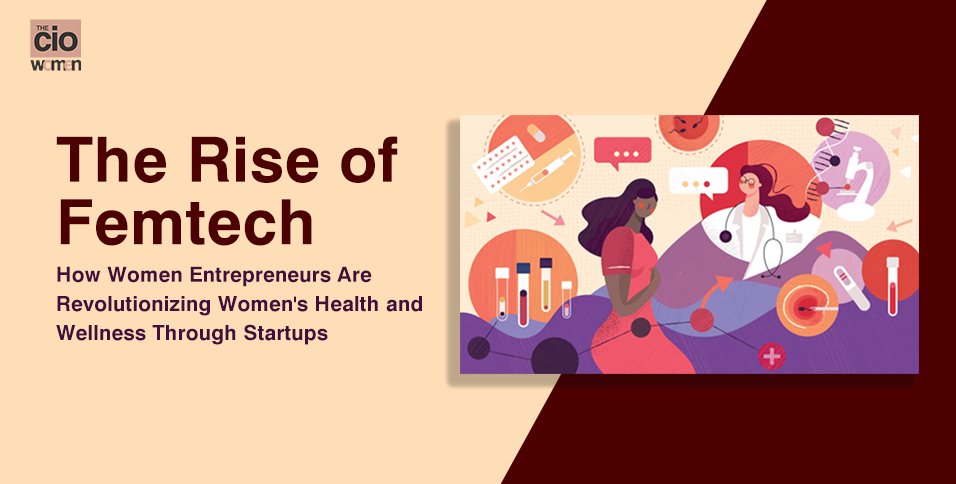
The health and wellness needs of women have historically been underserved, but that’s changing thanks to the rise of Femtech. Short for “female technology,” Femtech refers to software, diagnostics, products, and services focused on women’s health. From menstrual tracking apps to fertility solutions, Femtech is reshaping the healthcare landscape, and at the forefront of this revolution are women entrepreneurs. Why Femtech Matters For years, healthcare innovation largely ignored the specific needs of women, treating women’s health as a niche market. However, women make up 50% of the global population, and their health concerns are anything but niche. Femtech addresses key areas of women’s health, including reproductive health, fertility, pregnancy, menopause, and even mental wellness. These are issues that impact millions of women worldwide, yet they’ve historically lacked the attention and innovation they deserve. What makes Femtech stand out is its focus on creating products that are designed by women, for women. Women entrepreneurs leading this charge understand the gaps in healthcare because they’ve experienced them firsthand. This personal insight allows them to develop more relevant and effective solutions, tailored to meet the needs of women in ways the broader healthcare industry hasn’t. Women Entrepreneurs Driving Innovation The Femtech industry is projected to reach over $50 billion by 2025, and women entrepreneurs are leading the way in this fast-growing sector. Startups like Clue, a menstrual tracking app, and Elvie, a company focused on women’s breastfeeding and pelvic floor health, have gained significant traction by addressing common health concerns with innovative solutions. Many of these entrepreneurs are breaking taboos around topics like menstruation, menopause, and sexual health, opening up conversations and normalizing women’s health issues. They are not only creating products but are also building communities and fostering dialogue about women’s well-being. This movement is especially empowering because it gives women control over their own health. Femtech products provide women with tools to better understand their bodies, make informed decisions, and improve their quality of life. Challenges and Opportunities While Femtech has enormous potential, women entrepreneurs still face significant hurdles. One of the most prominent challenges is securing funding. Despite the growth of Femtech, many female founders struggle to attract venture capital. The reasons are manifold, ranging from investor bias to the discomfort some male investors have with women’s health topics. However, this is slowly changing as more investors recognize the financial and social value of Femtech startups. With the global focus on health innovation and women’s empowerment, Femtech is positioned for continued growth. The success of early Femtech pioneers is paving the way for more women entrepreneurs to enter the space and push boundaries. The Future of Femtech The future of Femtech is bright, with immense potential to revolutionize women’s health care. As more women enter the startup world and challenge traditional healthcare norms, we can expect to see greater inclusivity, better products, and improved health outcomes for women everywhere. Women-led innovation in this space is not just creating new business opportunities but also delivering vital solutions for women’s wellness, one startup at a time. In conclusion, Femtech represents a powerful shift in the way women’s health is understood and addressed. Through innovation and entrepreneurship, women are reshaping the industry and ensuring that their health needs are no longer overlooked. Also Read: Navigating the Funding Maze: Essential Tips for Women Entrepreneurs in Startups
Building a Purpose-Driven Retail Brand: How Women Entrepreneurs Are Shaping the Future of Conscious Consumerism

In the retail world, consumer preferences are shifting dramatically. Today’s customers are not just looking for products—they’re seeking purpose. Conscious consumerism, which emphasizes ethical sourcing, sustainability, and social responsibility, has become a defining trend. And at the forefront of this movement are women entrepreneurs, who are building purpose-driven retail brands that align with their customers’ values. The Rise of Conscious Consumerism Conscious consumerism refers to the growing tendency of consumers to make purchasing decisions based on a brand’s ethical and social impact. Shoppers are no longer driven solely by price or convenience; they care about how products are made, the environmental impact of production, and whether the company treats its workers fairly. This shift has opened up new opportunities for women entrepreneurs in retail. By building brands that prioritize sustainability, ethical practices, and transparency, women business owners can tap into a customer base that values purpose as much as profit. Women Entrepreneurs Leading the Charge Women entrepreneurs are playing a pivotal role in the rise of purpose-driven retail brands. Many women-led businesses are founded with a clear mission to make a positive impact, whether it’s reducing environmental harm, supporting local artisans, or empowering marginalized communities. For example, women entrepreneurs in the fashion industry are adopting eco-friendly practices such as using recycled materials, reducing waste, and offering fair wages to workers. In the beauty sector, women-led brands are turning to clean, non-toxic ingredients and cruelty-free production processes, appealing to consumers who are concerned about their health and the environment. This commitment to purpose resonates deeply with today’s conscious consumers, who are more likely to support brands that align with their personal values. Building a Purpose-Driven Brand For aspiring women entrepreneurs in retail, building a purpose-driven brand requires a clear mission and strong values. Here are a few key strategies to consider: The Future of Retail is Purpose-Driven As the retail landscape continues to evolve, purpose-driven brands will only grow in relevance. For women entrepreneurs, this is an exciting opportunity to lead with values and make a meaningful impact while building successful businesses. By staying true to their mission and embracing the principles of conscious consumerism, women-led retail brands can shape the future of the industry and inspire others to follow suit. Conclusion In the era of conscious consumerism, purpose-driven retail brands are not just a trend—they are the future. Women entrepreneurs are at the forefront of this movement, redefining success by prioritizing sustainability, ethics, and social responsibility. By building brands that resonate with values-driven consumers, women are shaping the future of retail and driving meaningful change. Also Read: How to Build Sustainable Retail Brands for Women Entrepreneurs
Lifelong Learning: How Upskilling Empowers Women Entrepreneurs to Thrive in a Digital Economy
In today’s fast-paced digital world, the ability to adapt and grow is key to success, especially for women entrepreneurs. While passion and creativity are essential, the rapidly changing business landscape demands more. Upskilling—continuously learning new skills—has become crucial for staying competitive. For women entrepreneurs, investing in education not only fuels business growth but also builds resilience in a digital economy. The Digital Economy and Its Challenges The rise of the digital economy has transformed how businesses operate. From e-commerce platforms to social media marketing, entrepreneurs need to navigate various digital tools to succeed. This shift presents both opportunities and challenges for women in business. While technology can level the playing field, it also requires a solid understanding of digital tools, data analysis, and online consumer behavior. Many women entrepreneurs, particularly those who started their businesses before the digital boom, face a learning curve. However, continuous education and upskilling offer a way to bridge that gap and stay relevant. The Power of Upskilling Upskilling is not just about learning to use the latest technology; it’s about enhancing business strategies and leadership abilities. By acquiring new skills, women entrepreneurs can make more informed decisions, streamline operations, and expand their market reach. For example, learning digital marketing can help entrepreneurs leverage social media and online advertising to target specific audiences more effectively. Similarly, financial literacy courses can teach better cash flow management, allowing for sustainable growth. Upskilling can also lead to greater innovation. As technology evolves, entrepreneurs who stay on top of trends can adopt new business models, reach new markets, and create innovative products or services. This adaptability ensures longevity in a competitive market. Resources for Continuous Learning Fortunately, the resources available for upskilling are more accessible than ever. Women entrepreneurs can take advantage of online courses, business incubators, and mentorship programs tailored to their needs. By tapping into these resources, women can build the skills they need to stay agile and competitive in today’s market. Lifelong Learning as a Mindset Embracing lifelong learning means fostering a mindset of curiosity and openness to change. In business, this translates to constantly seeking ways to improve processes, understand new technologies, and explore emerging trends. Women entrepreneurs who prioritize continuous learning are better equipped to respond to challenges, capitalize on opportunities, and lead their businesses into the future. Conclusion The digital economy is here to stay, and for women entrepreneurs, upskilling is key to thriving in this dynamic landscape. By continuously learning and adapting, women can unlock new opportunities, drive innovation, and grow their businesses. Whether it’s mastering new technologies or improving leadership skills, investing in education is a powerful way to build resilience and ensure long-term success. Also Read: Empowering Women Through EdTech: Female Founders Driving Change in Online Learning
Women Leaders in Digital Health: How Female Entrepreneurs Are Shaping the Future of Virtual Care

The landscape of healthcare is being redefined by the innovative efforts of female entrepreneurs in digital health. These trailblazing women are driving advancements that make virtual care more accessible, efficient, and tailored to individual needs. Their work is addressing critical gaps in healthcare delivery and transforming how we engage with medical services. Transforming Virtual Care Female entrepreneurs are revolutionizing telemedicine by developing platforms that connect patients with healthcare providers through secure and user-friendly digital interfaces. These solutions are breaking down geographical barriers, making it easier for patients in remote or underserved areas to access quality care. By leveraging technology, they ensure that timely and expert medical consultations are available to a broader audience, enhancing the overall accessibility of healthcare services. Advancing Remote Monitoring Another significant innovation in digital health is the advancement of remote patient monitoring technologies. These solutions enable continuous tracking of health metrics through wearable devices, which can be used to manage chronic conditions from home. This approach not only improves patient outcomes by allowing for proactive management of health but also reduces the need for frequent in-person visits. Such advancements streamline care and make it easier for patients to stay engaged with their health management. Addressing Women’s Health Needs Female entrepreneurs are also focusing on addressing specific gaps in women’s health. Digital health tools are being developed to provide targeted support for issues such as reproductive health, menopause, and mental well-being. These solutions offer women tailored resources and services that meet their unique health needs, filling a crucial void in traditional healthcare offerings and improving overall health management for women. Enhancing Patient Engagement The rise of digital health tools is significantly enhancing patient engagement. Platforms offering personalized care plans, virtual therapy sessions, and interactive educational resources are making it easier for patients to take an active role in their health. By providing these tools, digital health solutions foster a more supportive and interactive healthcare experience, empowering patients to set health goals and access the resources they need to achieve them. Shaping the Future of Healthcare The impact of women-led innovations in digital health extends beyond their immediate applications. By setting new standards in virtual care and addressing critical health disparities, female entrepreneurs are influencing the future direction of the healthcare industry. Their contributions highlight the importance of diversity and innovation in driving progress and improving health outcomes. In conclusion, women leaders in digital health are at the forefront of a transformative shift in healthcare. Their innovations are making virtual care more accessible, personalized, and effective, demonstrating the significant role of female entrepreneurship in shaping the future of healthcare. Their efforts are not only addressing existing challenges but also paving the way for a more inclusive and responsive healthcare system. Also Read: Work-Life Balance in Healthcare: Strategies for Women to Thrive Professionally and Personally
How Women Entrepreneurs Are Making Travel Safer and More Convenient for Women
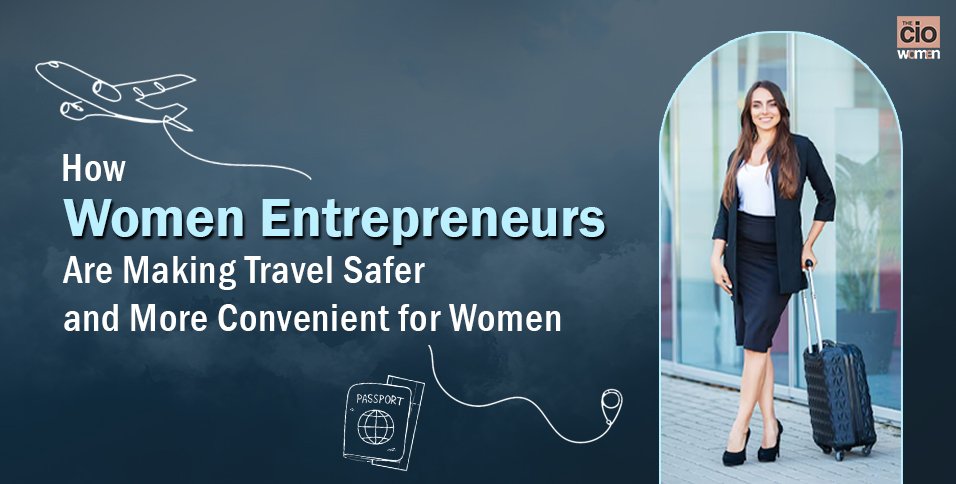
In recent years, women entrepreneurs have been reshaping the travel and hospitality industry by addressing safety and convenience from a female perspective. As more women travel independently for business and leisure, these innovators have stepped up to create solutions that prioritize their unique needs and concerns. By focusing on safety, comfort, and tailored services, these entrepreneurs are not only enhancing the travel experience but also setting new industry standards. Creating Safe Accommodations One prominent example is the rise of women-only accommodations. Female entrepreneurs like Nia B. of the travel platform “Women’s Only Stay” have created secure spaces specifically for women. These accommodations often include enhanced security features such as female-only floors, secure access systems, and staff trained in gender sensitivity. The “SheSafe” hotel chain, founded by entrepreneur Jessica Martin, is another notable example. SheSafe hotels provide comprehensive safety protocols, including 24/7 security personnel and female-only lounges, ensuring a secure environment for women traveling alone. Innovative Travel Services The need for specialized travel services has also been recognized. Platforms like “Solo Sister” and “Glimpse” offer female-focused travel planning and support. Solo Sister, founded by Sarah Wong, provides curated travel packages with women-only groups and female guides. This service not only ensures safety but also offers companionship and a shared experience for women traveling alone. Glimpse, started by Emma Kelly, offers real-time safety alerts and community reviews from other women travelers, empowering users with up-to-date information about their destinations. Tailored Amenities and Experiences Women entrepreneurs are also revolutionizing travel experiences by offering tailored amenities. The “HerHostel” network, established by Maria Gomez, caters to female travelers with women-centric design features, such as well-lit vanity areas and complimentary hygiene products. Additionally, “LuxWomen” spas and wellness retreats, founded by Priya Patel, offer services designed for female guests, including yoga classes, meditation sessions, and holistic treatments that address women’s health and well-being. Empowering Female Entrepreneurs The impact of these female-led initiatives extends beyond improving travel experiences. They are also setting new industry standards and inspiring other women to innovate. By focusing on women’s needs, these entrepreneurs are challenging traditional hospitality norms and demonstrating the value of inclusivity and gender sensitivity. Their success is paving the way for more women to enter and excel in the travel and hospitality sectors. Future Directions As the travel industry continues to evolve, the contributions of women entrepreneurs will play a crucial role in shaping a more inclusive and supportive environment. Their efforts not only address the specific needs of female travelers but also promote a broader cultural shift towards greater safety and comfort in travel. In conclusion, women entrepreneurs are leading the way in making travel safer and more convenient for women. Through innovative accommodations, specialized services, and tailored amenities, they are creating a more secure and enjoyable travel experience, proving that thoughtful solutions can make a significant difference in how women experience the world. Also Read: From Side Hustle to Wealth: How Women Entrepreneurs Are Transforming Their Finances with Alternative Income Streams
The Impact of Female Curators and Content Creators on Emerging Entertainment Platforms
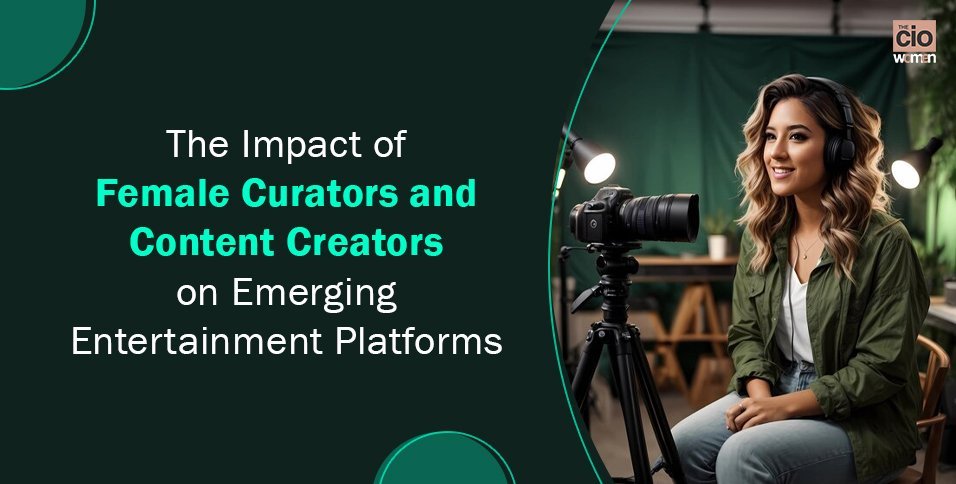
As entertainment continues to evolve, emerging platforms are becoming increasingly influential in shaping how we consume content. Female curators and content creators are at the forefront of this transformation, bringing fresh perspectives and innovative approaches that are redefining the industry. From niche streaming services to social media channels and interactive content apps, women are making significant impacts by championing diversity, fostering new trends, and creating unique experiences that resonate with a wide range of audiences. Niche Streaming Services: Expanding Horizons In the realm of niche streaming services, women-led ventures are breaking new ground by offering content that caters to specific interests and underserved audiences. Platforms like Sundance Now and Topic feature curatorial voices that emphasize independent films and international content, often spearheaded by women who understand the nuances of diverse storytelling. Female curators are not only expanding the range of available content but also ensuring that stories from marginalized communities are prominently featured. Their efforts are creating spaces where unique voices and perspectives can thrive, challenging the dominance of mainstream narratives. Social Media Channels: Shaping Trends and Conversations Social media has become a powerful tool for content creation and curation, and women are leveraging these platforms to influence trends and engage with audiences in meaningful ways. Influencers like Ayesha Curry and Jackie Aina are using their platforms to create content that spans lifestyle, beauty, and entertainment, shaping trends and driving conversations. By sharing their personal experiences and curating content that reflects their unique perspectives, these women are fostering communities that value authenticity and diversity. Their impact extends beyond traditional media, demonstrating how social media can be a force for positive change in the entertainment landscape. Interactive Content Apps: Innovating User Experiences The rise of interactive content apps has opened up new possibilities for engaging audiences, and women entrepreneurs are leading the way in this space. Platforms like Wondrium and MasterClass, which feature female-led courses and workshops, are revolutionizing how people learn and experience entertainment. Female creators are designing immersive experiences that blend education and entertainment, offering users the opportunity to interact with content in novel ways. By integrating interactive elements and leveraging technology, these women are setting new standards for how audiences engage with and consume media. Championing Diversity and Inclusion Across these emerging platforms, a common thread is the emphasis on diversity and inclusion. Female curators and content creators are dedicated to highlighting voices that have historically been marginalized or overlooked. Their work ensures that a broader range of stories is told and that audiences can see themselves represented in the content they consume. This commitment to inclusivity is not only enriching the entertainment industry but also fostering a more equitable and representative media landscape. Conclusion Female curators and content creators are playing a transformative role in emerging entertainment platforms. By curating diverse content, shaping trends on social media, and innovating interactive experiences, they are redefining the way we engage with media. Their contributions are paving the way for a more inclusive and dynamic entertainment industry, where fresh perspectives and unique voices can thrive. As these women continue to lead the charge, the future of entertainment promises to be more varied, vibrant, and reflective of the diverse world we live in. Also Read: The Power of Female Storytelling: How Women Creators Are Shaping Modern Media
Fashion Tech: How Women Entrepreneurs Are Revolutionizing Style with AI, VR, and Wearable Technology
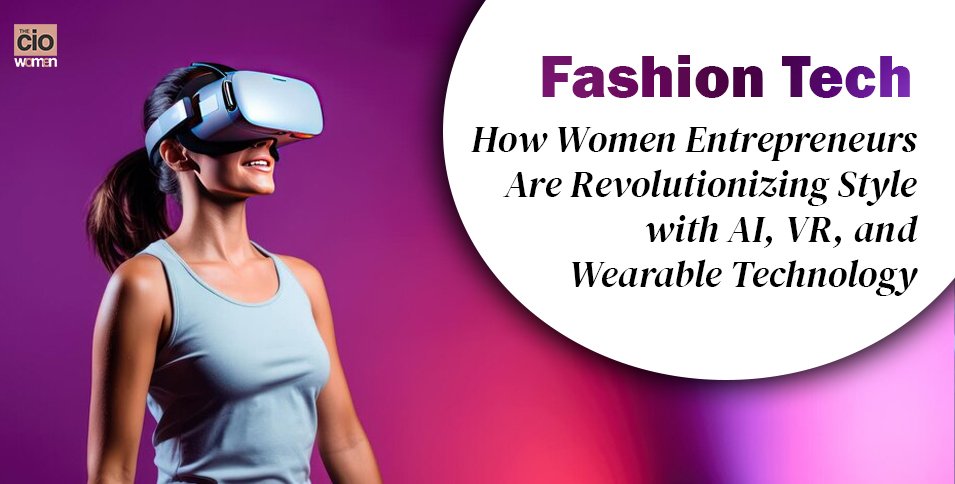
The fashion industry is in the midst of a technological revolution, and women entrepreneurs are at the forefront of this transformation. From AI-powered personal shopping assistants to virtual reality (VR) fitting rooms and wearable tech, female innovators are reshaping the way we experience fashion. By merging style with cutting-edge technology, these trailblazers are not only enhancing the shopping experience but also setting new standards for the industry’s future. AI-Driven Personalization: Tailoring Fashion to the Individual One of the most exciting developments in fashion tech is the use of artificial intelligence to create personalized shopping experiences. AI can analyze data on consumer preferences, body measurements, and past purchases to suggest outfits that perfectly match individual styles. Female-led companies like The Yes, co-founded by Julie Bornstein, are using AI to transform online shopping into a personalized experience, making recommendations based on each user’s unique tastes. AI also plays a crucial role in inventory management, predicting fashion trends, and reducing waste by helping brands create products that truly resonate with their audience. Women entrepreneurs are leveraging this technology to make fashion smarter, more efficient, and deeply connected to consumer desires. Virtual Reality: The Future of Fitting Rooms Gone are the days of crowded fitting rooms and endless returns. Virtual reality is revolutionizing how we try on clothes, allowing customers to virtually see how garments will look and fit without ever stepping into a store. Female founders like Nathalie Nguyen of DRESSX are making it possible for shoppers to try on digital garments, giving them a sense of fit and style through VR and augmented reality (AR). This technology is particularly appealing in a post-pandemic world where online shopping dominates. VR not only enhances convenience but also reduces the environmental footprint associated with excessive returns and shipping. Women entrepreneurs are harnessing VR to create immersive shopping experiences that bring the physical and digital worlds together. Wearable Tech: Where Fashion Meets Function Wearable technology is another area where women are making their mark. From smart jewelry that tracks health metrics to heated jackets and garments that adapt to temperature changes, wearable tech is where fashion meets functionality. Entrepreneurs like Amina AlTai and her brand Cuff have developed stylish accessories that double as personal safety devices, allowing wearers to send alerts in emergencies with a simple touch. These innovations are more than just stylish; they address real-world needs, combining aesthetics with utility in ways that resonate with modern consumers. By focusing on creating wearable tech that is both fashionable and functional, women are driving the next wave of tech-integrated apparel. Conclusion Women entrepreneurs are not just participating in the fashion tech revolution—they’re leading it. By harnessing AI, VR, and wearable technology, they are redefining what’s possible in fashion, making it more personalized, accessible, and connected. As these innovators continue to break new ground, the future of fashion looks not only stylish but also smarter than ever before. Also Read: From Passion to Product: How Women Fashion Entrepreneurs Are Tapping into Micro-Niche Markets
The Impact of ESG Investing on Women’s Financial Empowerment: Opportunities and Challenges
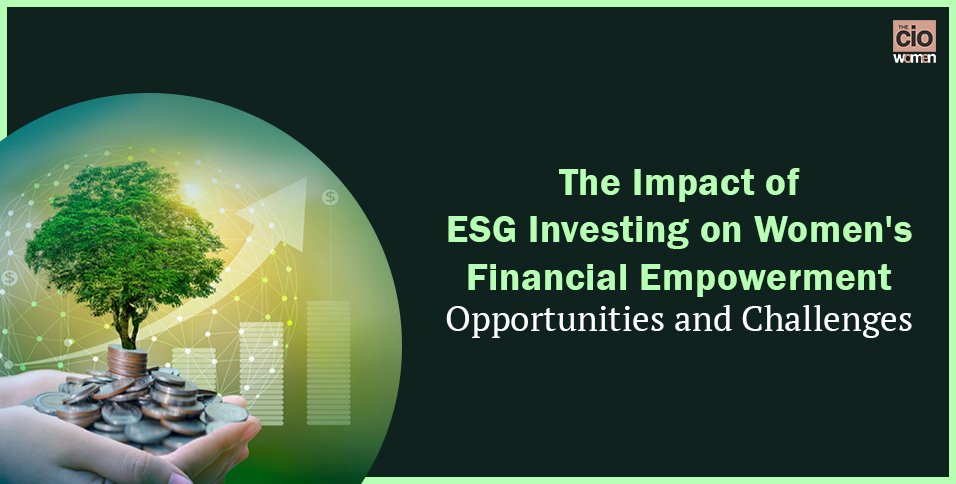
Environmental, Social, and Governance (ESG) investing is reshaping the financial landscape, aligning investment strategies with ethical values and long-term sustainability. For women investors, ESG offers a unique opportunity to combine financial goals with personal values, potentially leading to greater financial empowerment. However, navigating this emerging field also presents specific challenges. Understanding these dynamics can help women harness the full potential of ESG investing. The Rise of ESG Investing ESG investing focuses on companies that adhere to environmental stewardship, social responsibility, and strong governance practices. This approach not only aims for financial returns but also seeks to drive positive social and environmental impact. The growing interest in ESG reflects a broader societal shift towards sustainable and ethical business practices, with more investors demanding accountability from their portfolios. For women investors, ESG investing offers a way to support causes they care about while pursuing financial growth. It aligns investments with personal values, enhancing the satisfaction and purpose associated with financial decisions. Opportunities for Women Investors Challenges in ESG Investing Navigating ESG Investing To effectively navigate the ESG investing landscape, women investors can take several steps: Conclusion ESG investing presents a significant opportunity for women to integrate their values with their financial strategies, promoting both personal empowerment and positive societal impact. While challenges such as limited options, higher costs, and greenwashing exist, informed and strategic engagement can help women leverage ESG investing for long-term financial success. Also Read: Scaling Up Smart: Financial Strategies for Women-Owned Manufacturing Businesses