
Sustainable Manufacturing: How Women Entrepreneurs are Pioneering Green Innovations

As the global focus shifts towards sustainability, women entrepreneurs are at the forefront of green innovation in the manufacturing sector. Their leadership is reshaping the industry, demonstrating that environmental responsibility and business success can go hand in hand. From eco-friendly products to sustainable processes, female-led enterprises are setting new standards for what it means to be green in manufacturing. The Rise of Women-Led Sustainable Manufacturing Women have historically been underrepresented in manufacturing, but today, they are increasingly breaking barriers and driving change. Female entrepreneurs are leveraging their positions to promote sustainability, implementing practices that reduce environmental impact and championing ethical supply chains. Inspiring Case Studies Several women-led companies are leading the way in sustainable manufacturing: Supporting Women in Green Manufacturing To further support women in the sustainable manufacturing sector, several strategies can be implemented: Conclusion Women entrepreneurs are making significant strides in the field of sustainable manufacturing, proving that innovation and environmental stewardship go hand in hand. Supporting women in this sector through mentorship, funding, and education can further enhance their impact, ensuring a future where sustainability is at the core of manufacturing practices. As more women take the lead in green innovation, the path to a more sustainable and responsible industry becomes ever clearer. Also Read: Rise of Smart Materials: How Women Innovators Are Shaping the Future of Sustainable Manufacturing
Embracing Emerging Technologies: How Women in IT Can Lead the Future of AI and Automation
The rapid evolution of artificial intelligence (AI) and automation is transforming industries across the globe. For women in IT, this presents an exciting opportunity to not only participate in but lead the future of these groundbreaking technologies. Here’s how women can embrace and excel in the dynamic fields of AI and automation. 1. Leverage Your Unique Perspective Diverse teams are proven to drive innovation. Women bring unique perspectives and problem-solving approaches that can significantly enhance the development of AI and automation solutions. Embracing this diversity allows for more creative and inclusive technology design, which can better meet the needs of a diverse user base. 2. Pursue Continuous Learning The fields of AI and automation are continually evolving. Staying updated with the latest trends, tools, and technologies is essential: 3. Develop Strong Technical Skills Building a solid foundation in technical skills is crucial for leading in AI and automation: 4. Engage in Networking and Mentorship Building a strong professional network can open doors to new opportunities and provide valuable support: 5. Get Involved in Projects and Research Hands-on experience is invaluable. Engaging in projects and research can enhance your practical knowledge and demonstrate your expertise: 6. Advocate for Inclusivity As women in IT lead in AI and automation, advocating for inclusivity within the tech industry can drive broader change: Conclusion The future of AI and automation holds immense potential, and women in IT are well-positioned to lead this transformation. By leveraging your unique perspective, pursuing continuous learning, developing strong technical skills, engaging in networking and mentorship, participating in projects, and advocating for inclusivity, you can play a pivotal role in shaping the future of these exciting technologies. Embrace the opportunities, and let your leadership drive innovation in AI and automation. Also Read: Innovating from Within: How Women Leaders are Shaping the Future of Tech
Navigating the Funding Maze: Essential Tips for Women Entrepreneurs in Startups
Starting a business is a daunting yet exhilarating journey, especially for women entrepreneurs who often face unique challenges. One of the most significant hurdles is securing funding. Whether you’re at the ideation stage or looking to scale your startup, understanding how to navigate the funding maze is crucial. Here are some essential tips to help women entrepreneurs successfully secure the capital they need to bring their visions to life. 1. Understand Your Funding Options Before you start pitching to investors, it’s essential to understand the various funding options available: 2. Craft a Compelling Pitch Your pitch is often your first chance to make a strong impression on potential investors. Here’s how to make it compelling: 3. Build a Strong Network Networking is vital in the entrepreneurial world. Building relationships with other entrepreneurs, industry experts, and potential investors can open doors to funding opportunities: 4. Leverage Resources for Women Entrepreneurs There are numerous resources specifically designed to support women entrepreneurs: Conclusion Securing funding is a critical step in the growth of any startup, and women entrepreneurs can excel by understanding their options, crafting compelling pitches, building strong networks, leveraging specialized resources, and preparing for due diligence. With persistence and preparation, you can navigate the funding maze and take your startup to the next level. Also Read: From Side Hustle to Wealth: How Women Entrepreneurs Are Transforming Their Finances with Alternative Income Streams
Navigating the Future of Retail: How Women Are Shaping the Omnichannel Experience
In the rapidly evolving world of retail, the omnichannel approach has emerged as a game-changer, blending online and offline experiences to meet the demands of today’s savvy consumers. Women leaders in retail are at the forefront of this transformation, driving innovation and crafting seamless shopping journeys that enhance customer satisfaction. This blog explores how women are shaping the future of retail through omnichannel strategies and offers insights into their impactful contributions. 1. Embracing Seamless Integration At the heart of the omnichannel experience is the seamless integration of various shopping channels. Women leaders in retail are pioneering strategies that unify physical stores, e-commerce platforms, and mobile apps into a cohesive customer journey. By creating interconnected touchpoints, they ensure that customers have a consistent and convenient experience, whether they are shopping online or in-store. 2. Leveraging Technology for Personalization Personalization is a key element of the omnichannel approach, and women are leveraging advanced technologies to tailor shopping experiences to individual preferences. Data analytics and AI-driven insights allow retailers to offer personalized recommendations, targeted promotions, and customized content. Women in leadership roles are harnessing these technologies to create more engaging and relevant shopping experiences that resonate with customers. 3. Innovating Customer Service Exceptional customer service is crucial for a successful omnichannel strategy. Women entrepreneurs are leading the charge in enhancing customer service by integrating chatbots, virtual assistants, and real-time support across channels. These innovations ensure that customers receive timely assistance and support, whether they are browsing online or seeking help in-store. By prioritizing customer satisfaction, women leaders are setting new standards for service excellence in retail. 4. Championing Sustainable Practices Sustainability is increasingly important to consumers, and women in retail are driving the adoption of eco-friendly practices within the omnichannel framework. From sustainable packaging to ethical sourcing, women-led brands are incorporating environmentally conscious practices into their operations. They are also using their platforms to educate consumers about the impact of their choices, fostering a more responsible approach to shopping. 5. Enhancing In-Store Experiences While online shopping continues to grow, the physical store remains a vital component of the omnichannel experience. Women leaders are redefining in-store experiences by integrating digital tools such as interactive displays, mobile payments, and in-store pickup options. These innovations not only enhance the shopping experience but also bridge the gap between online and offline channels, creating a more cohesive customer journey. 6. Building Stronger Brand Loyalty A successful omnichannel strategy contributes to stronger brand loyalty. Women in retail are focusing on building lasting relationships with customers through consistent communication and personalized engagement across all channels. By creating a unified brand experience, they ensure that customers feel valued and connected, which drives repeat business and fosters long-term loyalty. Conclusion Women are playing a pivotal role in shaping the future of retail through innovative omnichannel strategies. By embracing seamless integration, leveraging technology for personalization, and enhancing customer service, they are setting new benchmarks for the retail industry. Their commitment to sustainability and the enhancement of in-store experiences further demonstrates their leadership and vision. As women continue to drive these advancements, the retail landscape will evolve to offer increasingly sophisticated and satisfying shopping experiences, paving the way for a more connected and customer-centric future. Also Read: Building a Purpose-Driven Retail Brand: How Women Entrepreneurs Are Shaping the Future of Conscious Consumerism
Adapting to Changing Education Trends: Empowering Women in Business
As the world of education evolves, women in business find themselves with unprecedented opportunities to advance their careers. Emerging trends in education offer tailored solutions for professional development, allowing women to enhance their skills and achieve their goals with greater flexibility and efficiency. Here’s a look at how these trends are specifically designed to support women’s advancement in the business world. 1. Flexible Learning Options Flexible learning formats, including online courses and self-paced programs, provide women the freedom to integrate education into their demanding schedules. These adaptable methods allow women to balance work, personal life, and educational pursuits without sacrificing their career or family responsibilities. By offering various scheduling options, flexible learning ensures that professional development is accessible and manageable. 2. Online Certifications and Micro-Credentials Online certifications and micro-credentials offer a streamlined approach to gaining specialized skills. These programs focus on specific areas such as digital marketing, project management, and data analysis. They provide practical knowledge that women can apply immediately in their roles, making it easier to enhance their expertise and stay competitive in a fast-evolving job market. 3. Lifelong Learning Lifelong learning has become a vital component of career development, enabling women to remain adaptable and relevant in their fields. Continuous education opportunities, offered through organizations and professional networks, support ongoing growth and skill enhancement. This approach ensures that women can keep pace with industry changes and seize new opportunities for advancement. 4. Skill-Based Training Skill-based training emphasizes practical, hands-on experience that directly impacts job performance. Programs that focus on leadership, negotiation, and financial management are particularly beneficial for women aspiring to higher-level positions. These courses not only build essential skills but also boost confidence, preparing women to tackle new challenges and excel in their careers. 5. Networking and Mentorship Educational programs that incorporate networking and mentorship provide women with valuable connections and guidance. Engaging with industry leaders, peers, and mentors through these programs offers insights and support that can significantly influence career development. Building a robust professional network helps women access new opportunities and fosters career growth. 6. Inclusive and Diverse Learning Environments A growing emphasis on inclusivity and diversity in educational settings ensures that women from various backgrounds feel supported and represented. Programs that promote diverse perspectives create enriching learning environments where women can thrive. This focus on inclusivity helps prepare women to lead and innovate in diverse business contexts. Conclusion The latest trends in education present significant opportunities for women in business to advance their careers and achieve their professional goals. By taking advantage of flexible learning options, pursuing targeted certifications, and engaging in continuous skill development, women can navigate their professional journeys with confidence and agility. As these educational innovations continue to evolve, they will offer even more pathways for women to succeed and make a lasting impact in their fields. Also Read: Business of Nostalgia: How Women Entrepreneurs Are Capitalizing on ’90s and 2000s Fashion
Leading with Compassion: How Women Leaders Are Transforming Patient Care and Healthcare Management
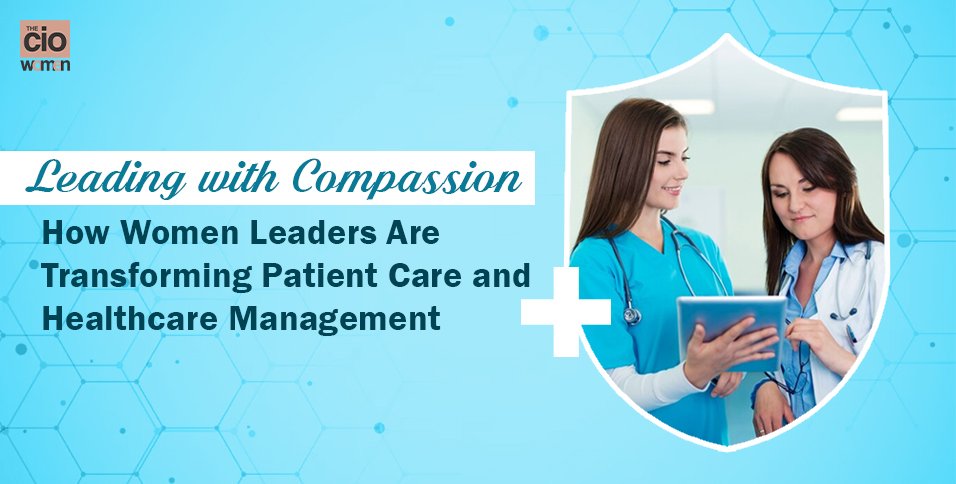
In the ever-evolving field of healthcare, compassion and innovation are becoming the cornerstones of effective management and patient care. Women leaders are at the forefront of this transformation, reshaping how healthcare is delivered with a focus on empathy, efficiency, and holistic well-being. Their impact extends beyond traditional leadership roles, introducing new practices that enhance patient experiences and support healthcare professionals. Innovative Approaches to Patient Care Women leaders are pioneering innovative strategies that place patients at the center of their care. They are spearheading initiatives that include personalized treatment plans, improved patient communication, and the integration of technology to streamline care delivery. For instance, initiatives led by women in healthcare often involve the implementation of patient portals and telemedicine services, which enhance accessibility and convenience for patients. These innovations not only improve the efficiency of care but also ensure that patients are more involved in their treatment decisions. By leveraging technology and adopting patient-centered care models, women leaders are making significant strides in how healthcare services are delivered and experienced. Creating Supportive Work Environments Compassionate leadership also extends to how healthcare professionals are managed and supported. Women leaders are leading efforts to improve work environments by addressing issues such as burnout, work-life balance, and professional development. They understand that a supportive workplace is essential for maintaining high levels of care and employee satisfaction. Programs designed by women leaders often include initiatives for mental health support, flexible scheduling, and opportunities for career advancement. By fostering a positive work environment, these leaders enhance staff morale and retention, which ultimately benefits patient care. Addressing Health Disparities Women leaders are also tackling health disparities with a focus on equity and access. They are implementing programs aimed at reducing gaps in healthcare delivery, particularly for underserved and marginalized communities. Their efforts include advocating for policy changes, expanding access to care, and addressing social determinants of health that impact patient outcomes. These initiatives reflect a broader commitment to ensuring that all patients receive quality care, regardless of their background or circumstances. By addressing systemic issues and promoting inclusive practices, women leaders are making significant contributions to reducing health disparities. Shaping the Future of Healthcare As the healthcare landscape continues to evolve, women leaders are playing a crucial role in shaping its future. Their focus on compassion, innovation, and equity is driving meaningful changes that enhance both patient care and healthcare management. By leading with empathy and addressing the holistic needs of patients and healthcare professionals, they are setting new standards for what effective leadership in healthcare can achieve. The impact of women leaders in healthcare is profound and far-reaching. Their contributions are not only transforming how care is delivered but also inspiring a new generation of leaders to embrace compassion and innovation in their approaches. As they continue to drive progress in the field, their leadership will undoubtedly shape the future of healthcare for the better. Also Read: Women Entrepreneurs Revolutionizing Telehealth: Bridging Gaps in Healthcare Access
Elevating Guest Experience: How Women Are Redefining Luxury and Personalization in Hospitality
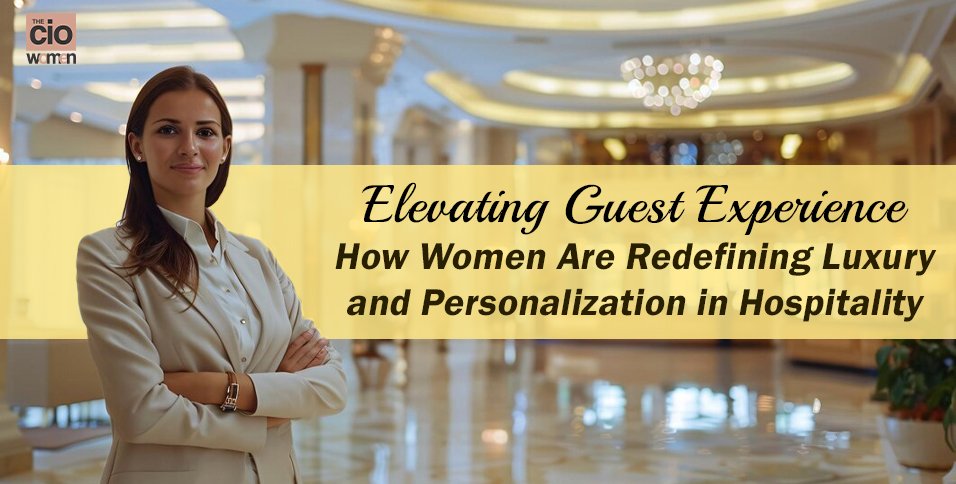
The hospitality industry has always been synonymous with service, comfort, and unforgettable experiences. Yet, the definition of luxury is evolving, and women in leadership roles are at the forefront of this transformation. From boutique hotels to grand resorts, female leaders are pioneering innovative approaches that prioritize personalized guest experiences, reimagine luxury, and implement sustainable practices. This shift not only enhances how guests perceive their stay but also reshapes the future of hospitality. The Emergence of Women Leaders Historically, leadership positions within hospitality have been predominantly occupied by men. Today, however, a growing number of women are ascending to these roles, bringing with them innovative approaches and a fresh perspective on guest service. Figures such as Christine Duffy, President of Carnival Cruise Line, and Amanda Hyndman, Regional Vice President of Operations at Mandarin Oriental, exemplify this shift. They demonstrate that leadership in hospitality involves more than just managing resources; it requires creating meaningful, personalized experiences for guests. Personalization Redefined Personalization has become a cornerstone of modern luxury, thanks to women-led establishments that prioritize tailored guest experiences. This shift away from generic luxury to bespoke services reflects a deeper understanding of individual preferences. Female leaders in hospitality are redefining luxury by offering experiences that cater specifically to guest interests, from custom in-room amenities to unique local activities. This approach not only enhances the overall guest experience but also sets a new benchmark for what luxury should encompass. The Power of Empathy Empathy has emerged as a crucial element in delivering exceptional service, and women leaders excel in this area. By fostering a culture of emotional intelligence, they ensure that guests feel genuinely valued and cared for. This empathetic approach leads to higher satisfaction rates and a more memorable stay. Women-led properties often distinguish themselves with personal touches, such as remembering a guest’s preferences or arranging special surprises, which create lasting impressions and enhance guest loyalty. Commitment to Sustainability Sustainability has become a prominent focus in the hospitality industry, with women leaders spearheading efforts to integrate eco-friendly practices. These leaders are implementing measures to reduce environmental impact, such as minimizing plastic use and supporting local produce. Their commitment to sustainability not only appeals to eco-conscious travelers but also aligns with broader trends toward corporate social responsibility. By blending luxury with environmental stewardship, women in hospitality are setting new standards for both ethical and enjoyable travel experiences. Paving the Way Forward The contributions of women in hospitality are reshaping the industry’s future. Their emphasis on personalization, empathy, and sustainability is redefining luxury in meaningful ways. As these leaders continue to innovate and set new benchmarks, they pave the way for future generations of women in hospitality. Their efforts highlight the evolving nature of luxury, demonstrating that excellence in guest experience involves more than just high-end amenities—it requires a deep understanding of guest needs and a commitment to making a positive impact. Women in leadership roles are proving that the future of hospitality is not only more inclusive but also more attuned to the desires of modern travelers. Their pioneering approaches are transforming the industry, ensuring that luxury is not just a standard but a dynamic, personalized experience. Also Read: Rise of Women-Run Boutique Hotels: Crafting Unique Experiences in Hospitality
The Power of Female Storytelling: How Women Creators Are Shaping Modern Media
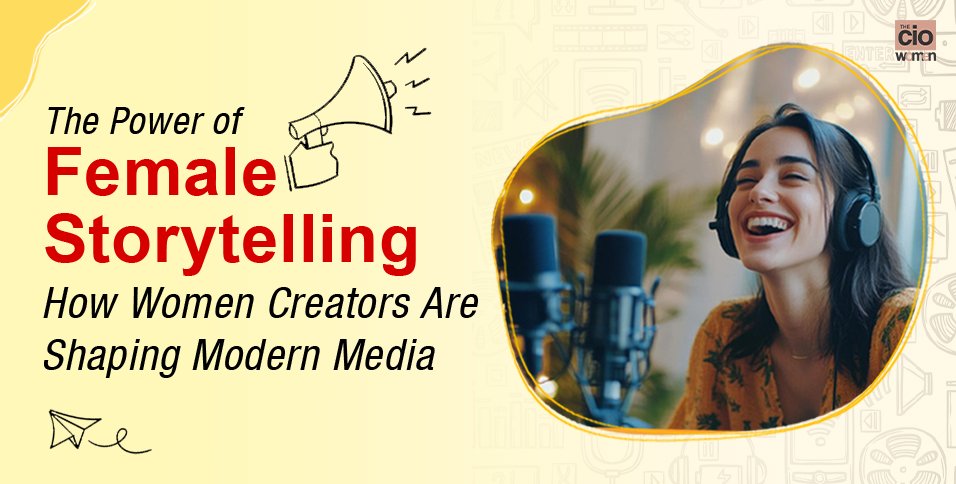
In an era where storytelling is more influential than ever, the voices behind the narratives are crucial. Women creators—writers, directors, producers—are driving a transformative shift in modern media, bringing fresh perspectives and diverse experiences to the forefront. Their impact is profound, reshaping how stories are told and who gets to tell them. This blog explores how female storytellers are revolutionizing the entertainment industry, highlighting their unique contributions and the broader implications for media and society. Redefining Narrative Norms For years, mainstream media has been dominated by a narrow range of perspectives, often sidelining stories from diverse voices. Women creators are changing that landscape by introducing new narratives that challenge traditional norms. They bring their own experiences and viewpoints into their work, leading to more nuanced and multifaceted storytelling. By focusing on themes that have historically been underrepresented—such as complex female characters, diverse family structures, and real-life struggles—women creators are expanding the scope of what stories can be told. This shift not only enriches the content available to audiences but also fosters a more inclusive media environment where different voices are heard and valued. The Impact of Authentic Voices The authenticity that women bring to their storytelling is evident in the depth and relatability of their characters. Female creators often draw from their personal experiences and perspectives, resulting in stories that resonate on a more profound level with audiences. This authenticity helps to create a genuine connection between the media and its viewers, allowing for more meaningful engagement. For instance, women-led narratives frequently explore themes such as identity, resilience, and empowerment from fresh angles. This approach not only provides a richer viewing experience but also helps to dismantle stereotypes and broaden the understanding of various life experiences. Breaking Barriers and Shaping Trends Women creators are not just influencing the content; they are also breaking barriers and setting new trends within the industry. As more women take on leadership roles in media production, from executive positions to key creative roles, they are paving the way for a more equitable and innovative industry. Their influence is visible in the rising popularity of shows and films that feature strong, diverse female leads and stories that challenge conventional norms. Empowering the Next Generation The presence of women creators in the entertainment industry serves as an inspiration for the next generation of storytellers. By succeeding in roles traditionally dominated by men, these women demonstrate that it is possible to break through barriers and achieve recognition in a competitive field. Their achievements encourage young women to pursue careers in entertainment, knowing that their voices and stories are not only welcomed but needed. This ripple effect contributes to a more dynamic and diverse future for the industry, ensuring that storytelling continues to evolve and reflect the diversity of the world. Embracing the Future of Storytelling As women continue to make strides in entertainment, the industry is poised for even greater transformation. The rise of female storytellers brings with it an opportunity to explore new narratives and challenge old paradigms, leading to a more inclusive and representative media landscape. The power of female storytelling is undeniable, and its impact on modern media is just beginning to unfold. Read More: Rise of the Interactive Narrative: Women Creators Redefining Storytelling in Video Games
Mastering the Art of Intuition in Fashion Business: Why Women Entrepreneurs Excel
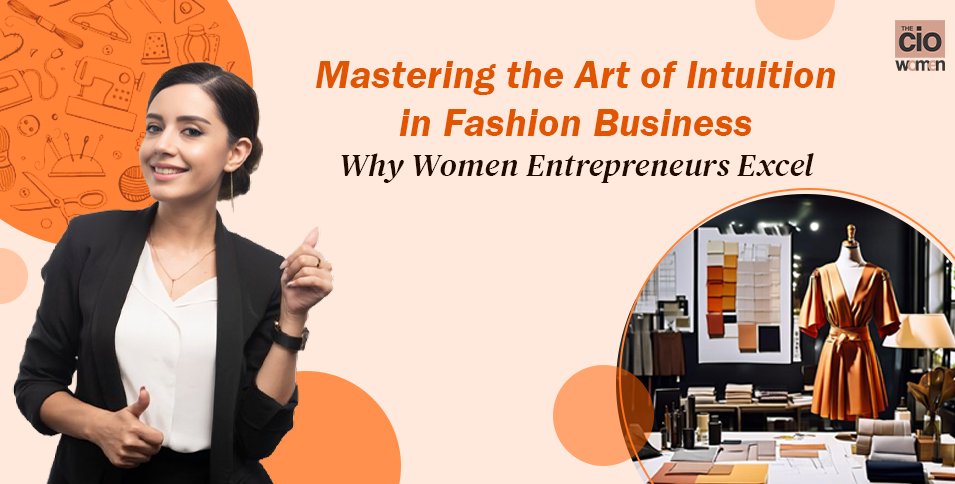
In the world of fashion, where trends change faster than the seasons, a keen sense of intuition often proves invaluable. For women entrepreneurs, this innate ability to “read the room” and anticipate what’s next isn’t just a personal trait—it’s a competitive edge. While data-driven decisions dominate business conversations, the fashion industry often relies on the subtle, unquantifiable skill of intuition to navigate market shifts, understand consumer desires, and craft compelling brands. Understanding Intuition as a Strategic Tool In the fast-paced fashion world, intuition can mean the difference between launching a collection that hits the mark or missing the trend completely. Women entrepreneurs excel at leveraging this skill because it aligns with empathy, perception, and an ability to see the bigger picture—qualities that often come naturally. Intuition allows women in fashion to understand what their audience craves before they even ask. It’s about knowing when to take a risk on a bold design or when to pull back and stick with timeless classics. The Role of Intuition in Trend Forecasting One of the most critical areas where intuition shines is in trend forecasting. While data analytics and market research provide valuable insights, they often lack the nuance of what’s happening on the ground. Fashion is about emotion, expression, and culture—all elements that shift subtly and often unpredictably. Women entrepreneurs who trust their intuition can sense these shifts and respond creatively. For instance, knowing when a bold color will dominate or when minimalism will make a comeback isn’t always clear from numbers alone. Women’s intuitive approach helps in capturing these intangible shifts, enabling them to position their brands at the forefront of emerging trends. Customer Connection: A Deep Understanding of Desires Fashion is deeply personal, and successful brands know their customers intimately. This is where intuition becomes more than just a skill—it’s a superpower. Women entrepreneurs often have a heightened ability to connect with their audience on an emotional level, understanding not just what they want but why they want it. This connection goes beyond demographics and sales data; it dives into the psyche of the consumer, anticipating needs before they’re vocalized. Whether it’s creating inclusive sizing, understanding the demand for sustainable materials, or recognizing the emotional pull of a particular style, women-led brands frequently excel because they feel their way through decisions. This approach ensures that their collections not only look good but also resonate on a deeper, more meaningful level with their audience. Building Authentic Brand Stories In today’s market, consumers are not just buying products—they’re buying stories. Brands that can tell an authentic narrative stand out, and women entrepreneurs often bring a unique perspective that blends creativity with intuition. Crafting a compelling brand story involves understanding the values, aspirations, and emotions of the target audience, all of which are areas where intuition plays a crucial role. Women entrepreneurs use their intuitive insights to weave narratives that connect with their consumers, creating a sense of belonging and loyalty. Conclusion In the end, intuition is not just a hidden talent—it’s a powerful skill that women entrepreneurs bring to the fashion industry. It guides them in trend forecasting, connects them deeply with their customers, and helps them craft compelling brand stories that resonate. By embracing and refining their intuitive abilities, women entrepreneurs can not only navigate the complexities of the fashion business but also redefine its future. Also Read: From Side Hustle to Wealth: How Women Entrepreneurs Are Transforming Their Finances with Alternative Income Streams
Scaling Up Smart: Financial Strategies for Women-Owned Manufacturing Businesses
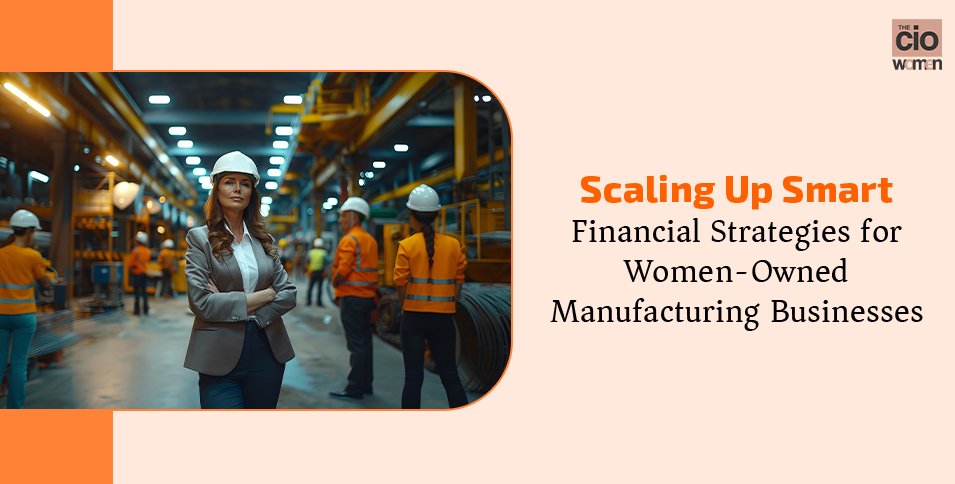
Scaling a manufacturing business is no small feat, especially when navigating the unique financial challenges of the industry. For women entrepreneurs, the stakes can be even higher, with pressures to balance operational efficiency, manage cash flow, and make smart investments in technology and talent. However, with the right financial strategies, women-owned manufacturing businesses can scale effectively, seize new opportunities, and build a resilient foundation for long-term success. Here’s a look at the key financial strategies that can help women entrepreneurs thrive in the competitive manufacturing landscape. Understanding the Financial Landscape of Manufacturing Manufacturing is capital-intensive, requiring substantial investments in machinery, raw materials, and skilled labor. For women-owned businesses, managing these costs while maintaining operational efficiency is crucial. A solid financial strategy begins with a deep understanding of your cash flow—knowing when money comes in, when it goes out, and where it can be optimized. One common hurdle in manufacturing is dealing with extended payment terms from large clients, which can strain cash flow. To mitigate this, consider negotiating more favorable payment terms or offering early payment discounts to incentivize quicker payments. Additionally, maintaining a healthy cash reserve can provide a buffer against unexpected expenses, such as equipment breakdowns or supply chain disruptions, ensuring that your business can continue to operate smoothly. Strategic Funding for Scaling Operations Securing funding is often a critical step in scaling a manufacturing business. While traditional bank loans remain a popular choice, there are several funding options tailored to manufacturing that can support growth. Equipment financing, for example, allows you to spread the cost of purchasing new machinery over time, preserving cash flow while upgrading your production capabilities. Government grants and incentives are also valuable resources, particularly those aimed at supporting women-owned businesses and promoting manufacturing innovation. Programs like the Small Business Innovation Research (SBIR) and the Women-Owned Small Business (WOSB) Federal Contracting Program offer financial support for companies looking to expand their operations or invest in new technologies. Optimizing Financial Planning and Risk Management As your manufacturing business grows, robust financial planning and risk management become increasingly important. This includes regularly reviewing your financial statements, updating your budget, and setting clear financial goals. Use financial forecasting tools to anticipate future needs and identify potential challenges, such as fluctuations in material costs or changes in market demand. Diversifying your supplier base is another smart strategy to mitigate risk. Relying on a single supplier can leave you vulnerable to disruptions, so establishing relationships with multiple vendors can provide alternatives and help keep costs competitive. Additionally, consider securing insurance tailored to manufacturing, such as product liability or business interruption insurance, to protect your business against unforeseen events. Building for Long-Term Success Success in manufacturing is not just about expanding your operations; it’s about building a resilient business that can withstand challenges and seize opportunities. With the right financial strategies in place, women-owned manufacturing businesses can not only scale up smartly but also lead the way in driving innovation and shaping the future of the industry. Read More: Rise of Smart Materials: How Women Innovators Are Shaping the Future of Sustainable Manufacturing